Which Technology Risks Should We Deal with First?
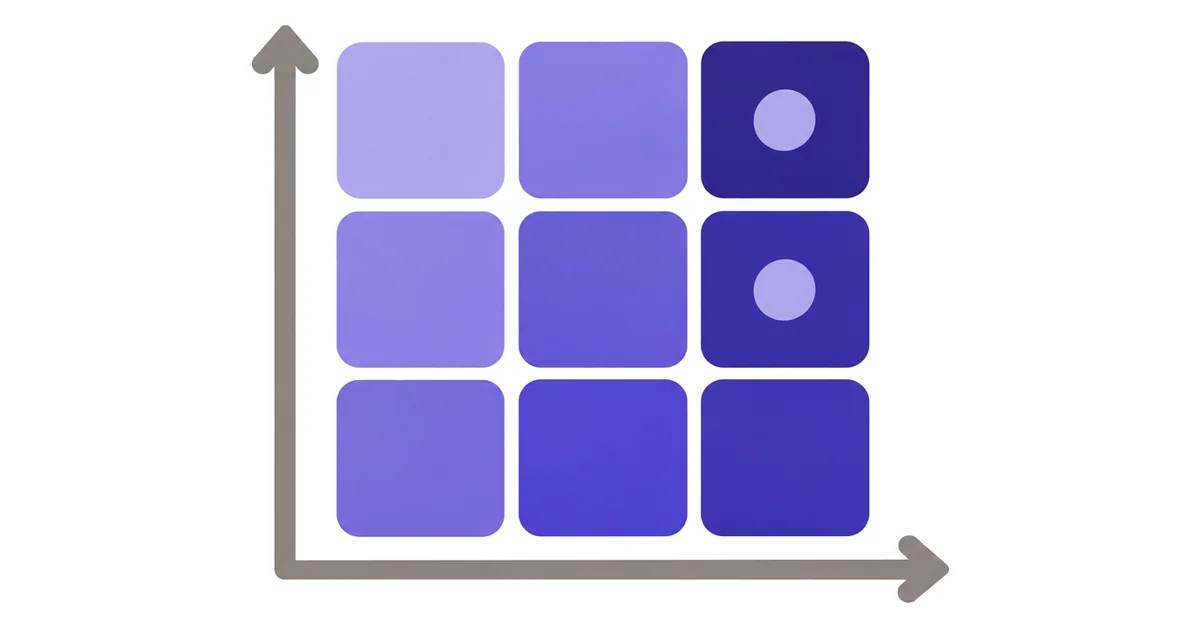
Start with the risks that combine a likely trigger with a costly outcome, such as an unsupported system that runs billing, a single vendor with no exit plan or backups that nobody has ever restored. Your risk review scores every risk for likelihood, business impact and the effort to fix it, so your first actions are the ones that remove the most exposure for the least money.
Is Technology Risk Consulting the Same as a Cybersecurity Assessment?
No. A security assessment looks for vulnerabilities in your systems. Technology risk consulting is wider: it covers outdated platforms, vendor dependence, failed projects, weak integrations, key-person gaps and recovery plans next to security. You get one ranked view of everything that could interrupt the business, and security findings are one part of it.
Do You Replace Our IT Team or Our Auditors?
No. Your IT team keeps running the systems and your auditors keep their independence. The work gives both of them a shared, written picture of risk, with owners and dates, so reviews go faster and nothing falls between two teams.
How Long Does a Technology Risk Review Take?
It depends on the number of systems and sites in scope. You get a timeline with the proposal after the discovery call. Findings arrive in stages, so you see the biggest exposures early instead of waiting for one final report.
What Does Technology Risk Consulting Cost?
The cost depends on how many systems, vendors and locations are in scope and how much documentation already exists. You get a realistic range on the free discovery call and a fixed quote once the scope is agreed. There are no hidden extras, and most first engagements are scoped small on purpose.
Can You Work with Our Existing Risk Register or GRC Tool?
Yes. If you already keep a register, it becomes the starting point, and the review adds what is missing. If you do not have one, a simple register in a spreadsheet is enough to begin. Software is only recommended when the size of your program clearly justifies it.
How Do You Keep Our Information Secure During the Review?
Access follows least-privilege rules, so consultants only see what the review needs. Data stays inside your environment wherever possible, every data flow is documented, and NDAs are available on request.
What Do We Get at the End of the Engagement?
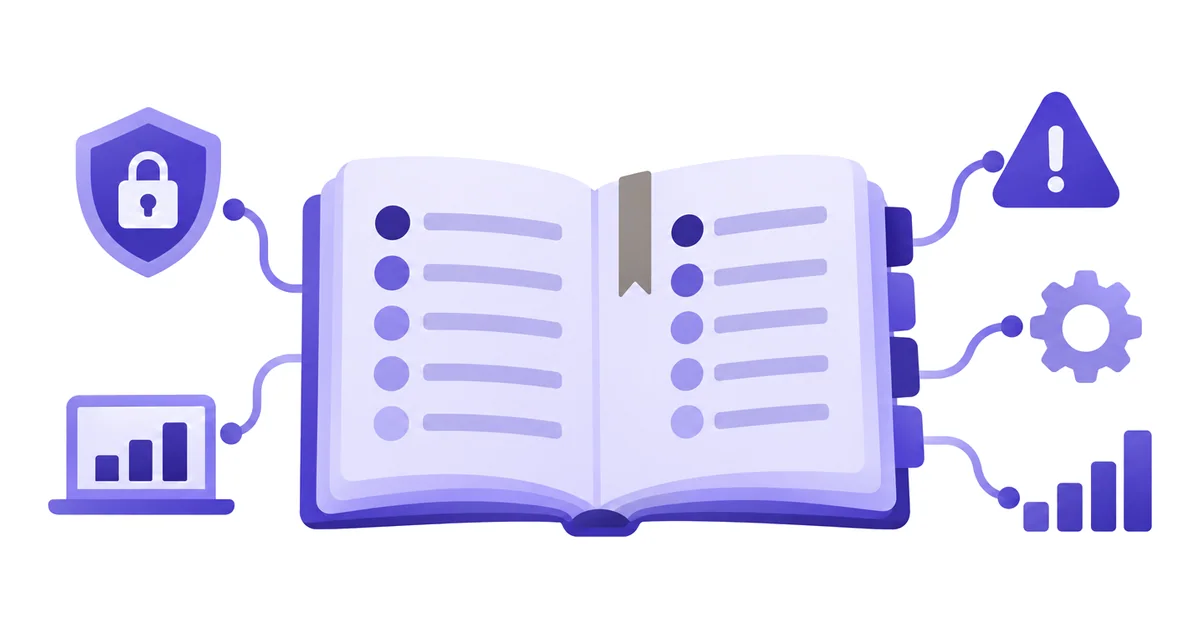
You get a ranked risk register with an owner and a target date for each item, a short remediation plan, and a one-page summary for your leadership or board. Your dedicated account manager walks your team through it, and the files are yours to keep and update.
Do You Help After the Review Is Finished?
Yes. Many clients continue with a quarterly check of the register, support on the fixes or help with vendor and project decisions. Support is available in 5+ languages, so teams in different countries get help in their own language.
 You see risk go down