Do We Need a New Martech Platform?
Often you don't. Most marketing teams already pay for more software than they use, and the real problem is that the tools don't share clean data. Your assessment compares what you own against what you need. If an existing platform can do the job after a proper setup, you hear that in writing. A new platform is only recommended when it clearly pays for itself, and you see the reasoning before anything is bought.
Which Marketing Systems Do You Work With?
Your CRM, marketing automation, email, analytics, advertising, customer data and content tools, from HubSpot and Salesforce to Google Analytics, Klaviyo and Segment. The work follows your stack and does not push a vendor. Where two tools need to share data, the integration is documented, tested with your real records and handed over with a short guide for your team.
How Long Does a Marketing Technology Project Take?
A stack assessment usually takes a few weeks, and a platform selection a few more. Implementation depends on the number of systems and how clean your data is. You get a timeline with your written plan, before anything is built, and work is delivered in small releases so you can test each part with real campaigns.
Can You Fix Tracking and Attribution That Nobody Trusts?
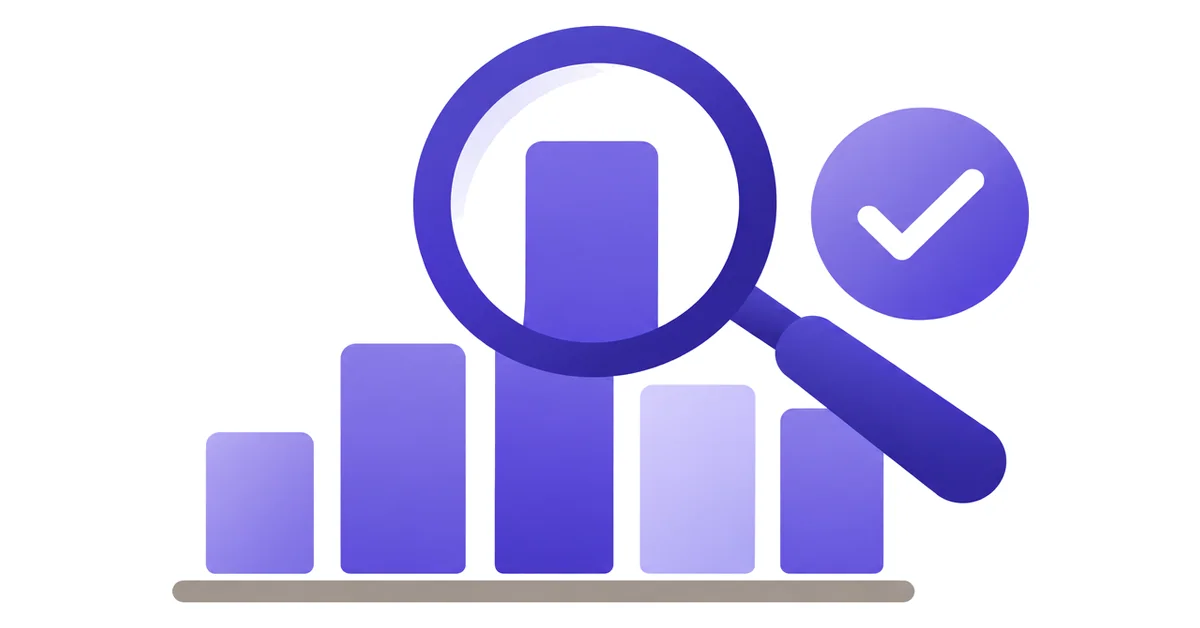
Yes. Distrust in marketing numbers almost always traces back to a few causes: duplicate tags, inconsistent campaign naming, leads that lose their source when they move from form to CRM, or two tools counting the same conversion. The audit finds each cause, ranks it by impact and fixes the ones that matter first. You then get a short measurement plan your team can keep using.
How Do You Handle Customer Data and Privacy?
Consent, data flows and access are reviewed as part of every project. You get a map of which tool holds which customer data, who can reach it and where it is sent. Sensitive fields are limited to the systems that need them, and NDAs are available on request. For legal questions about consent rules in your markets, your own counsel makes the final call.
How Much Does Marketing Technology Consulting Cost?
It depends on the number of systems, the state of your data and how much hands-on work you want. You get a realistic cost range on your free discovery call and a fixed quote after the assessment, so there are no surprises later. Most first projects are scoped small, so your team sees a result before you commit to a bigger program.
Will Our Marketing Team Have to Learn Everything Again?
No more than necessary. Changes are designed around how your team already works, with training before each release and written guides afterward. The goal is that campaigns launch faster with the people you already have, and that every tool has a named owner who knows how it is set up.
Do You Help Us Choose Between Vendors?
Yes. You get a short list built from your requirements, scored demos run with your real use cases and a comparison of total cost over three years, including licenses, setup and the internal time each option needs. The final choice stays with you, with the trade-offs written down so your leadership team can follow the reasoning.
What Happens After the Project Ends?
You receive documentation, training and a clear owner for every system. If you want ongoing help, your dedicated account manager reviews performance every month, handles fixes and flags tools you no longer need. Support is available in 5+ languages, so teams in different countries get help in their own language.
Can You Work Alongside Our Agency or In-House Developers?
Yes. Many projects involve a marketing agency, a web developer or an internal IT team. You get one plan that sets out who changes what, so two parties don't edit the same tag or workflow. Handover notes are written for the people who maintain the systems after launch.

 You trust the numbers


 You Launch Campaigns Faster