In Short
- An assessment judges readiness for a specific future change, while an audit reviews what you own today.
- Rate six dimensions: strategy fit, data quality, integration, skills, governance and measurement.
- Have two people rate separately, because disagreement shows where the real gaps are.
- Level one on any dimension means fixing it first, since the weakest link sets the pace.
A marketing technology assessment tells you whether your team, data and tools are ready for the change you plan: a new platform, a bigger stack, an AI feature or a move to a different operating model. It is a readiness check for the future. If you want help running one, marketing technology consulting usually starts with exactly this step.
The version below rates six dimensions on a four-level scale and turns the result into a short list of things to fix before you buy anything. I use it in discovery calls, because the answers often change what the project should be.
What the Assessment Measures
An assessment answers one question: can you absorb this change in the next two quarters? It looks at the conditions around your tools instead of the tools themselves. That separates it from an audit, which reviews what you own today. My piece on the marketing technology audit covers that review in full, and the two work well in sequence.
Six dimensions carry most of the weight in the projects I see:
- Strategy fit: the change supports a goal leadership will still care about next year.
- Data quality: contacts, accounts and events are accurate, deduplicated and consistently named.
- Stack and integration: the systems the change touches can exchange data reliably.
- Skills and capacity: someone has the time and the know-how to run it.
- Governance: ownership, approvals and consent handling are written down.
- Measurement: you can tell whether the change worked.
Rate Each Dimension on Four Levels
Use four levels, because a middle option invites everyone to pick it. Level one is ad hoc, two is repeatable, three is managed and four is optimized. For most changes, level two on every dimension is the minimum, and level three on data quality is wise when AI or personalization is involved.
| Dimension | Level 1: ad hoc | Level 2: repeatable | Level 3: managed |
|---|---|---|---|
| Data quality | Duplicates common, no naming rules | Naming rules exist, cleanup is occasional | Scheduled checks, named data owner |
| Integration | Manual exports between tools | Some automated sync, limited monitoring | Documented flows with alerts on failure |
| Skills | One person knows each tool | Two people per tool, basic training | Cross-trained team, documented procedures |
| Governance | Anyone can buy or connect a tool | Request form, informal review | Approval path, owner and exit plan per tool |
| Measurement | Channel metrics only | Shared definitions, monthly report | Tied to revenue, reviewed with finance |
Be honest and have two people rate each dimension separately. Gaps between their scores are the useful part. If marketing says data quality is level three and sales operations says level one, you have found the real problem.
Data Quality Deserves the Most Time
Data readiness fails projects more often than tool choice does. Pull a sample of 500 contact records and check four things: the share with a valid email, the share with a company name in a consistent format, the number of obvious duplicates and the share with consent status recorded. Do the same for accounts if you sell to businesses.
Then trace how a record is created and changed. In many stacks, five systems can write to the same field, and nobody has decided which one wins. That ambiguity is the root of most reporting arguments. Write down the system of record for each core field, even if you later change your mind.
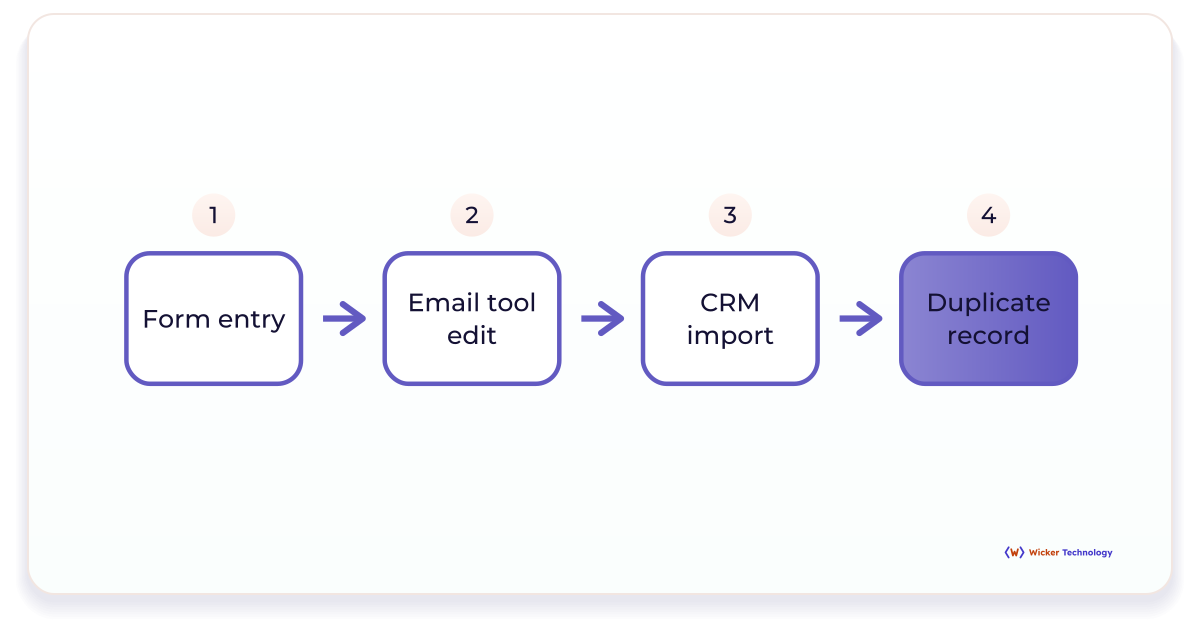
The numbers on how many teams struggle with this are worth knowing. The marketing technology statistics I collected show how rarely companies integrate their stack with a data warehouse, particularly small and midsize ones, which is why data work often comes first in a plan.
Skills and Capacity Are a Separate Question
Teams often answer the skills question with the job titles they have. A better approach is to list the tasks the new change needs, such as building segments, maintaining integrations, writing consent logic and reading attribution reports, and next to each one, write the name of the person who does it today. Empty cells are your capacity gaps.
Capacity is separate from skill. A skilled marketing operations manager who already spends 80 percent of the week on campaign requests cannot lead a migration. Look at the calendar, not the org chart. Either free the time (by stopping something) or add support through a contractor or a partner.
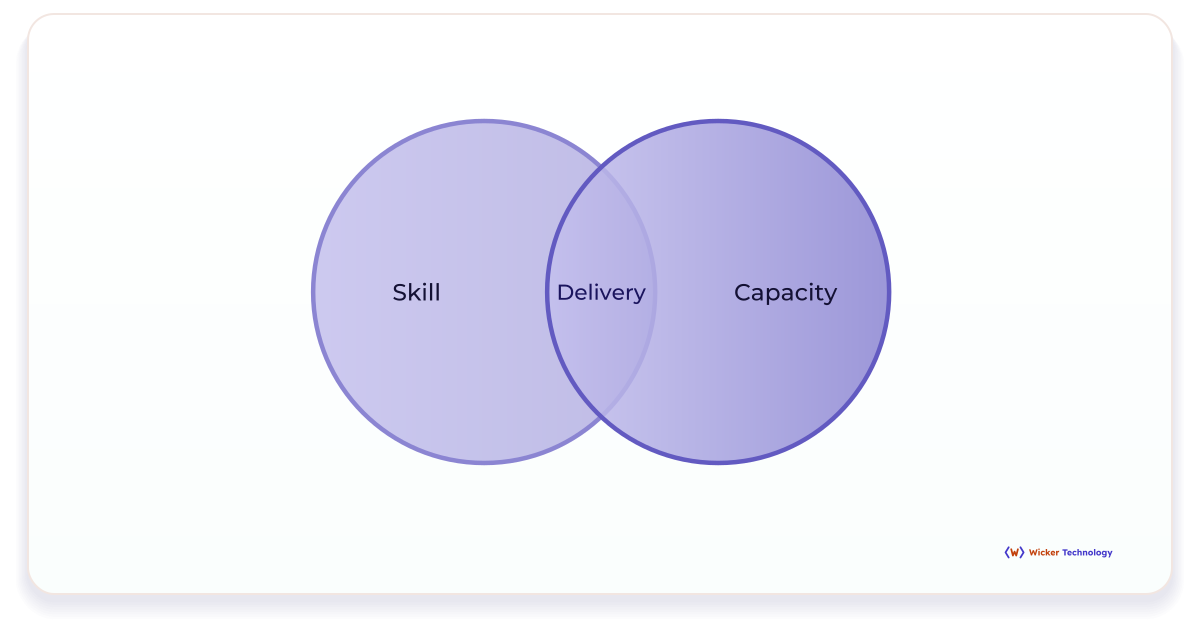
It helps to include the vendor side here. Ask what the vendor provides during onboarding, how long it lasts and who on your side the vendor expects to be available. Many disappointing implementations trace back to a vendor that assumed a project manager who did not exist.
Check Whether the Stack Can Carry the Change
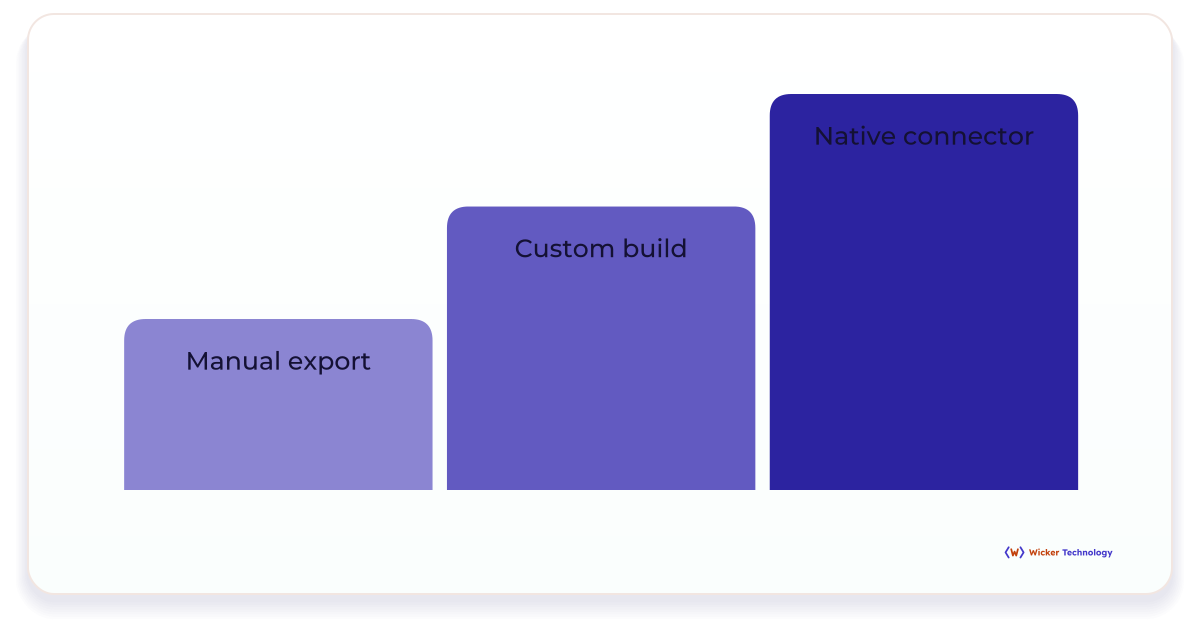
List the systems the change touches and mark each connection as native, built with an integration tool, custom or manual. Native connections are cheapest to keep running. Manual ones are a risk and a cost. For each connection, write who gets the alert when it breaks.
If your plan involves adding a tool, run the shortlist through the same lens. The market overview in my article on martech tools helps you see which categories already cover your need, and a quick look at the marketing technology examples shows how other teams handled integration in similar setups.
A Worked Example From a Mid-Sized Retailer
A retail client of mine wanted to add a customer data platform to personalize email and ads. On paper the plan was sound. We ran the scorecard with two raters from marketing and one from the ecommerce team. Strategy fit scored level three. Data quality came out at level one for one reason: online orders and store loyalty sign-ups created separate contact records, and 28 percent of the sample had no match across the two.
Integration scored level two, skills level two and governance level one, because three agencies could connect new tools to the store with no approval step. The decision was prepare first. Over six weeks the team agreed on one system of record for customers, merged the duplicate records, wrote a short approval rule for new connections and trained a second person on the email platform.
The platform purchase went ahead the following quarter, with a much smaller implementation scope because the cleanup had removed half the planned work. The assessment did not stop the project. It changed the order of the work and made the budget request easier to defend, since every line pointed to a measured gap.
| Dimension | Rating before | Action taken | Rating after |
|---|---|---|---|
| Data quality | Level 1 | Single customer record, merge of duplicates | Level 2 |
| Governance | Level 1 | Approval rule for new connections | Level 2 |
| Skills | Level 2 | Second person trained on the email platform | Level 2 with backup |
| Integration | Level 2 | Alerts added for failed syncs | Level 3 |
Turn the Ratings Into a Decision
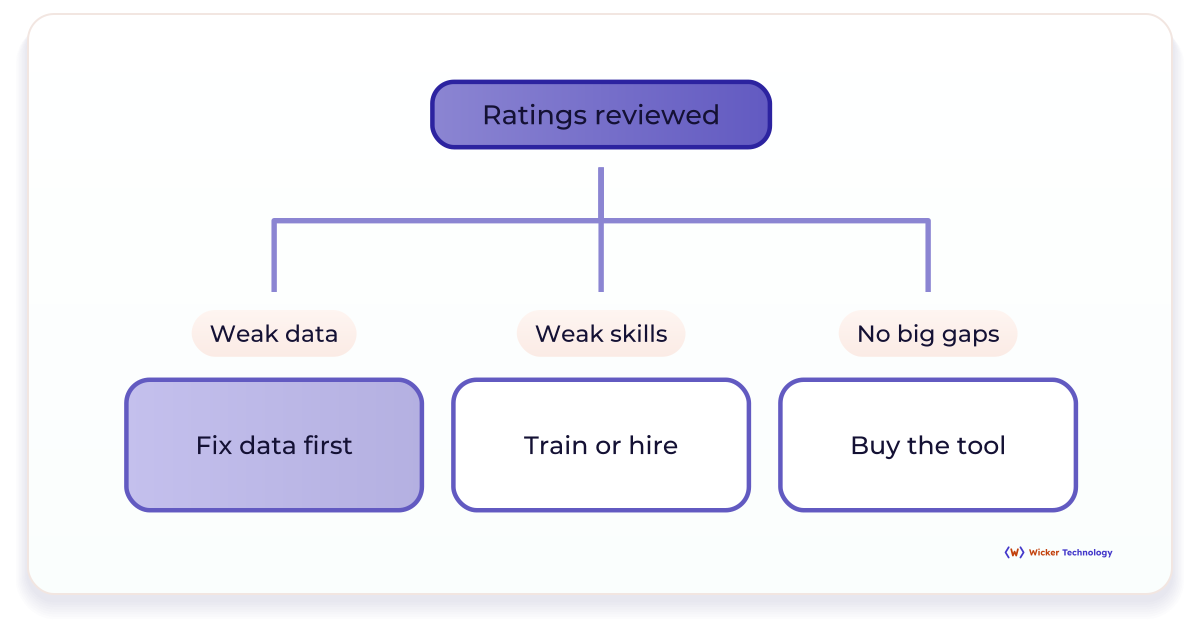
Once you have the ratings, translate them into one of three decisions. Go means every dimension is at level two or higher and the weakest has a plan. Prepare first means one or two dimensions sit at level one, and you spend four to eight weeks fixing them before you start. Rethink means the change does not fit your goals or capacity this year.
Whatever the outcome, write a one-page summary with the ratings, the three biggest gaps, an owner for each gap and a date. This page becomes the first input to your marketing technology roadmap, so that the plan starts from facts instead of hopes.
How to Run the Scoring Workshop
Hold one half-day session with the two raters, the person who owns the change and an observer who takes notes. Start with the planned change in one sentence, so everyone rates against the same target. Then go through the six dimensions one at a time. Each rater writes a score and one piece of evidence before anyone speaks, such as a report, a sample or a named person.
Compare the scores out loud. Where they match, move on quickly. Where they differ by more than one level, spend the time, because the gap usually hides a real fact that one person knows and the other does not. Write down the evidence next to the final score so that the rating can be checked in six months.
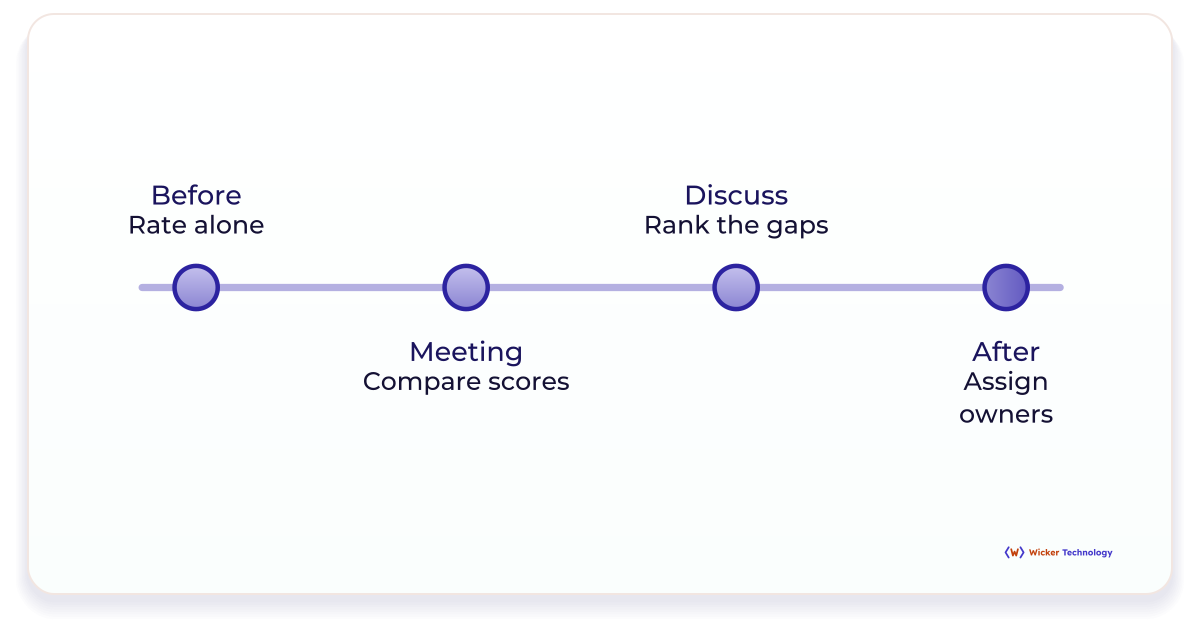
End the session with three outputs: the scorecard, the list of gaps ranked by how much they block the change and a first owner for each gap. A scorecard without owners is a report, and reports do not move data quality from level one to level two.
Mistakes That Make Assessments Useless
The most common mistake is letting the vendor run the assessment. A vendor's checklist is built to end in a purchase. Another is rating the dimensions by committee, which produces polite averages. Rate separately and compare.
A third mistake is treating the assessment as a one-time gate. Readiness changes as people leave, tools change and data degrades. Rerun a short version every six months, or before any large purchase, and compare the ratings against the last round.
How to Choose Your Assessment Approach
For a single change at a company with a small stack, the six-dimension scorecard above, filled in by two people in a half-day workshop, is enough. For a cross-company program, a merger or a platform consolidation, an outside assessor adds independent ratings and benchmarks from other projects. You then compare your results against what is typical for companies of your size, rather than against your own hopes.
Questions About Marketing Technology Assessments
What Is a Marketing Technology Assessment?
It is a readiness check. You rate dimensions such as data quality, integration, skills, governance and measurement to decide whether your organization can take on a planned change, like a new platform or an AI feature, in the next two quarters.
How Is an Assessment Different from an Audit?
An audit reviews the tools, contracts and data flows you have today. An assessment judges whether you are ready for something new. Audits look back at the current state, assessments look forward at a specific change.
How Quickly Is an Assessment Done?
A scorecard workshop with two raters takes half a day, and the data sample and follow-up checks add about a week. A cross-company assessment with interviews and system reviews usually takes three to six weeks.
Who Should Complete the Ratings?
At least two people with different views, for example marketing operations and sales operations or IT. Have them score separately, then compare. Disagreement points to the areas that need work.
What Score Means I Am Ready?
Level two or better on every dimension is a workable minimum for most changes. When the change involves AI or heavy personalization, aim for level three on data quality, because weak data makes those tools produce poor results.
What Should I Do If I Score Level One Somewhere?
Fix that dimension before you start the project. Plan four to eight weeks of focused work, with an owner and a measurable target, then rate it again. Starting anyway usually costs more than the delay.
Can I Run an Assessment Without a Consultant?
Yes. The scorecard, a data sample and a few honest conversations are enough for most single changes. Bring in outside help when stakes are high, politics get in the way or you want benchmarks from other companies.
Important: nothing in this article is legal, financial or tax advice. All figures are estimates from typical projects, so verify them with your own providers and advisers.
Was this useful?
We appreciate the feedback.
Paige Mulvaney
Paige leads the Wicker editorial team and works with the consultants who run the roadmaps, software selections, implementations and integrations to turn real client projects into practical guides. Her focus is plain-language advice on IT strategy, choosing business software and connecting systems so they work together. Every article she edits is checked against current vendor pricing and documentation before it is published.