Which Legal Systems Should We Fix First?
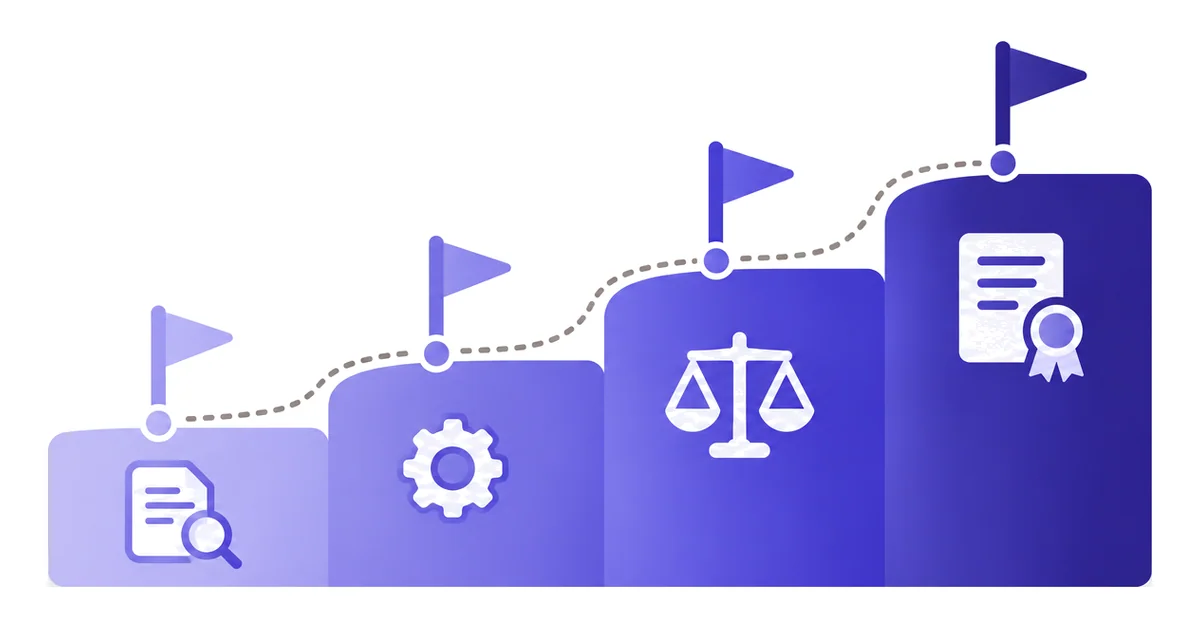
Start where lost time becomes lost revenue: matter intake, time capture and billing. They have the clearest baseline numbers, such as days from work done to invoice sent. Document management and contract tools depend on a reliable matter record, so they usually follow. Your intro call and assessment put your own systems in order of cost and effort, so your first project is the one most likely to pay back and earn trust across the firm.
Do You Help Us Choose Between Legal Software Products?
Yes. You get a requirements list built by role, a scored shortlist, scripted demos based on your own scenarios, reference calls and written pricing from each finalist. The scoring is shared with you, so you see why one product ranks above another. You are never pushed toward a vendor, because the recommendation follows your requirements and your budget.
How Do You Handle Client Confidentiality?
Confidentiality and access control go into the requirements before any vendor is contacted. Where data is stored, who at the vendor can reach it, how matter-level access and ethical walls work and what happens when you leave are all checked and documented. NDAs are available on request. Rules differ by jurisdiction, so you confirm specific obligations with your own advisers.
Can You Migrate Our Data from the Old System?
Yes. You decide what moves and what stays in a read-only archive, usually open matters plus recent closed ones. A trial migration of a sample of matters is checked the way a paralegal would check it, including documents, contacts and balances, before the full move. Trust accounting is reconciled against the old records before cutover.
How Long Does a Legal Technology Project Take?
It depends on the number of systems and the data to move. A selection usually takes four to eight weeks, and a rollout for one practice group adds another two to four months. You get a timeline with your plan before anything is bought, and work is delivered in stages so you see progress early.
How Much Does Legal Technology Consulting Cost?
Cost depends on how many systems are involved, how much data has to move and how many people need training. You get a realistic range on your free discovery call and a fixed quote after the assessment, so there are no surprises later. Most first projects are scoped small enough to show results before you commit to more.
Will New Technology Change How Our Lawyers Work?
It changes the routine steps, not the legal judgment. Lawyers stop retyping matter details and chasing time entries, and keep full responsibility for advice and review. Each change is designed with the people who use it, with short training tied to real tasks, so the system fits how your practice already runs.
What Happens After Go-Live?
Your dedicated account manager checks adoption and the numbers you agreed at the start, such as days to invoice and same-day time entry, 90 days after launch. Fixes, extra training and next steps go into an updated plan. Support is available in 5+ languages, and you receive documentation so your team stays in control.
Can You Help with AI Tools for Drafting and Research?
Yes. You get a short policy on approved tools, data rules and review duties, a pilot on low-risk tasks and checks of vendor confidentiality terms. Every output stays under lawyer review, and citations are verified against the source. The aim is to use the tools that fit your practice and to keep client data where you expect it.
Do You Work with the Software We Already Use?
Yes. Your current tools are reviewed first, and you hear which ones to keep, which to connect and which to replace, with the cost of each option. Having worked with more than 50 business software platforms, the team connects new tools to your email, accounting and document systems instead of starting from scratch.

 You see the results