Go to content
Contact

Financial Technology Consulting

Your payments, billing, banking and accounting systems get chosen, connected and run as one stack that fits how your finance team works. You start with a complimentary call and planning session.

Get a Free Consultation
  • Know your savings first
  • No obligation
  • Quick response
Chosen by clients across 7 industries
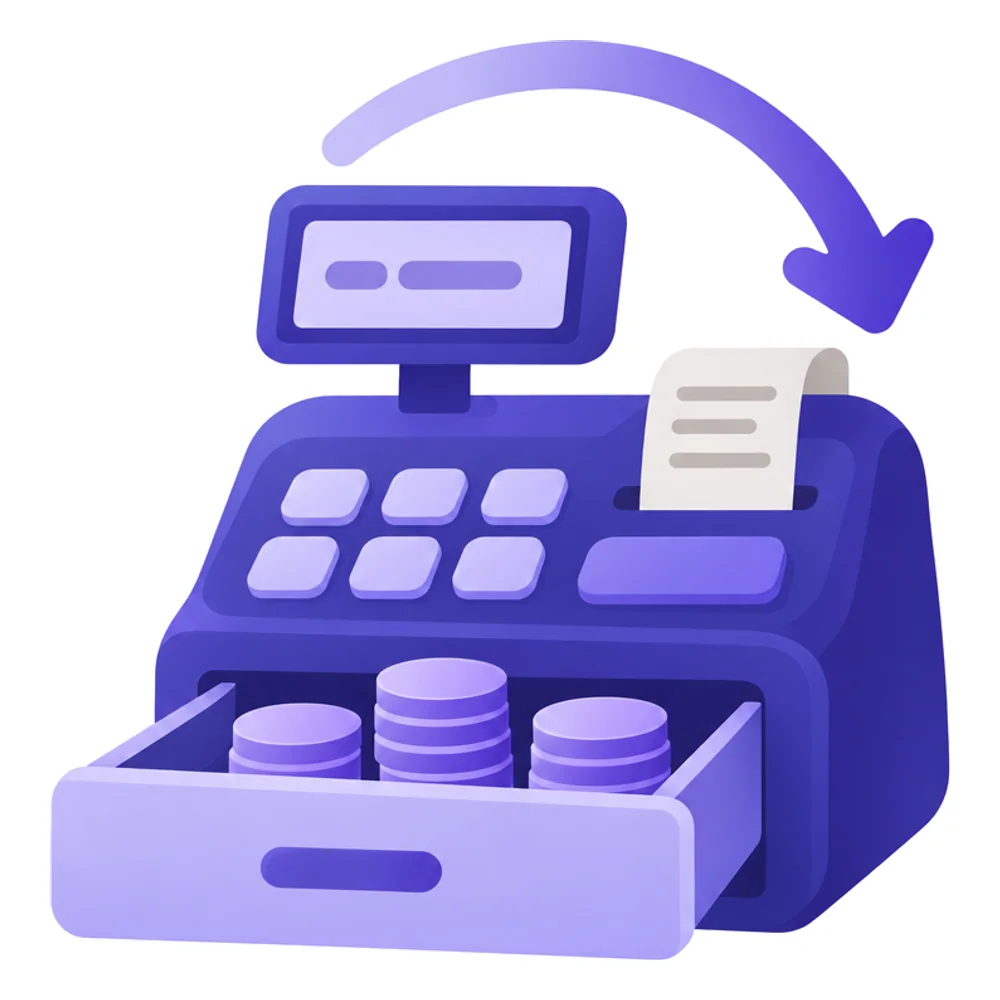
A rounded cash register with an open drawer of coins and a looping arrow pictures modern financial technology and payments.
  • Full-service, end-to-end technology consulting
  • 50+ business software platforms
  • 100+ system integrations
  • 60+ tech due diligence reviews
  • Chosen by clients across 7 industries
  • Free call plus a short strategy workshop
  • Your own project lead
  • Support in 5+ languages

What Is Financial Technology Consulting?

Financial technology consulting is a service that helps your business choose, connect and run the software behind money: payments, billing, bank connections, expense management, accounting and reporting. You start with how money moves through your company and what it costs when that goes wrong, not with a vendor.

How Financial Technology Consulting Works for Your Business

  1. Money moves inCard payments, bank transfers, invoices and subscriptions arrive through the processors and banks you use today.
  2. Systems record itBilling, expense and accounting tools log each transaction, match it to an invoice and flag anything that does not fit.
  3. Connections carry itIntegrations pass clean data from one system to the next, so nobody retypes a number or exports a file.
  4. Reviewed by your teamExceptions, such as failed syncs and unmatched payments, reach the right person with the details attached.
  5. Outcome check iconYou close the books fasterReconciliation, reporting and audits run on data you can trust, and you see cost and error rates every month.

What Financial Technology Consultants Actually Do

A good engagement covers the full path from first question to a stack that runs, so you never end up with a tool nobody connected.

  • Finance systems assessment and mapping
  • Vendor selection and contract review
  • Payments and banking integration
  • Security and vendor risk review
  • Migration from legacy platforms
  • Team training and ongoing support

The Hidden Costs of a Disconnected Finance Stack

Too many tools, too little connection. Each gap between systems turns into manual work, late reports and risk, yet most finance teams accept it as normal, when it does not have to be.

  • Hourglass icon1.

    Month-End Takes Too Long

    Teams export from the payment processor, reformat in spreadsheets and match by hand, so closing the books eats days every month.

    Real costSlow Close

    Days spent before anyone can read the numbers

  • Warning icon2.

    Payments Fail Without Anyone Noticing

    A broken sync between billing and the ledger can leave revenue unrecorded for weeks, and nobody sees it until an audit.

    Real costMissing Revenue

    Money that is booked late or not at all

  • Coin icon3.

    Fees and Licenses Pile Up

    Three tools that overlap, a processor on an old rate card and unused seats quietly add up across the year.

    Real costWasted Spend

    Costs nobody has compared in years

  • Shield icon4.

    Vendor Risk Goes Unchecked

    Every fintech vendor holds sensitive data, yet security reports and exit terms are often never read before signing.

    Real costExposure

    Risk you only notice after something breaks

Financial Technology Consulting Built Around How Your Money Moves

Fintech projects that disappoint usually began with a vendor demo. Yours begins with a clear map of how money enters, moves and gets reported in your business, and where that path is slow, manual or risky.

From there you get a stack that fits the systems you already run, from your bank and payment processor to billing, expenses and the general ledger. Your team keeps control, and every connection has a clear owner, clear rules and a way to see when it breaks.

Our Commitments to You

  • A written map of your finance systems and gaps
  • Vendor comparisons built from your own scenarios
  • Integrations with alerts when a sync fails
  • Monthly reporting on cost and error rates

Why a Connected Finance Stack Pays Off

If you are going to invest in financial technology, start where the handoffs hurt. A connected stack removes retyping between systems and shows you problems while they are still small. Start with one flow, prove the value and extend from there.

Ideal If You Want To

  • Speed iconClose your books in less time with data that matches
  • Growth graph iconHandle more transactions without adding finance staff
  • Shield iconCut errors and duplicate entries between systems
  • Clock iconSee cash, revenue and spend as they happen
  • Integration iconConnect banks, processors and accounting in one flow
  • Target iconKnow what every tool and fee costs you each month

Your Financial Technology Consulting Process, Step by Step

  1. Step 1

    Free First Call

    You talk through how money moves in your business and which systems cause the most friction. Your consultant asks about your processor, bank, billing and accounting setup and points out where to look first.

    You receive a short recap and a price range

    Short and in writing, so you can share it with your team before deciding anything.

  2. Step 2

    Technology Assessment

    Every system is scored for cost, risk, fit and how well it connects to the others. You see where data is retyped today, which tools overlap and what each change would cost and return.

    Next comes a prioritized plan with a fixed price

    Know what comes first, how long it takes and what it costs.

  3. Step 3

    Select, Connect and Test

    Vendors are compared on your real scenarios, then connected in stages and tested with your own transactions. Your team approves every step before it goes live.

    You get working systems, ready to launch

    Connected to your bank and ledger, with failed-sync alerts, documentation and training.

  4. Ongoing

    Run and Improve

    Your account manager tracks fees, errors and open issues every month. New improvements join the plan as your volumes and needs change.

    You get monthly reports on cost and errors

    Fees, failed syncs and close time in one clear report, plus support whenever you need it.

Your Deliverables With Financial Technology Consulting

Pick one service or the complete program, from assessment to ongoing support.

  • Every Finance System Mapped

    Your assessment scores each tool for cost, risk, fit and how it connects to the rest.

  • Vendors Compared on Your Scenarios

    Scoring sheets, demos and reference checks built from your real payment and billing flows.

  • Your Systems Connected Properly

    Payments, banks, billing and the ledger linked, with alerts when a sync fails.

  • Security and Contract Review

    Audit reports, access rules, data flows and exit terms checked before you sign.

  • Your Team Trained Before Launch

    Short sessions and written guides so every system has a confident owner.

  • Monthly Results and Ongoing Support

    You see fees, errors and close time, and each connection keeps improving.

Selections and Implementations150+
System Integrations100+
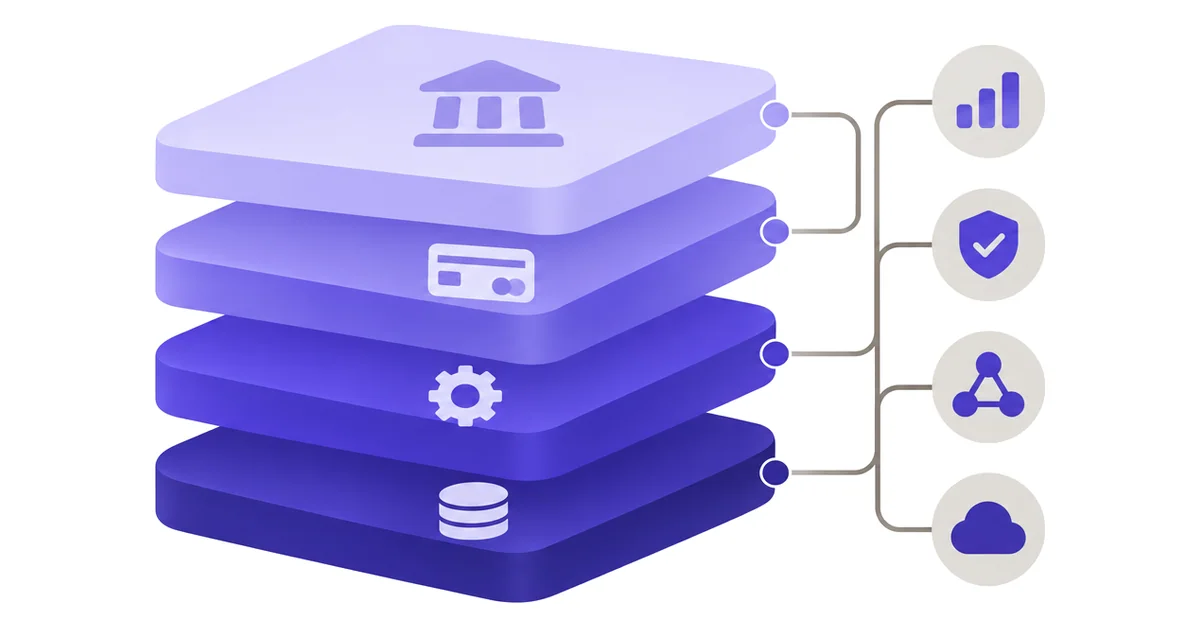
Four stacked layers from light lilac to deep indigo with round markers show a mapped financial technology stack.
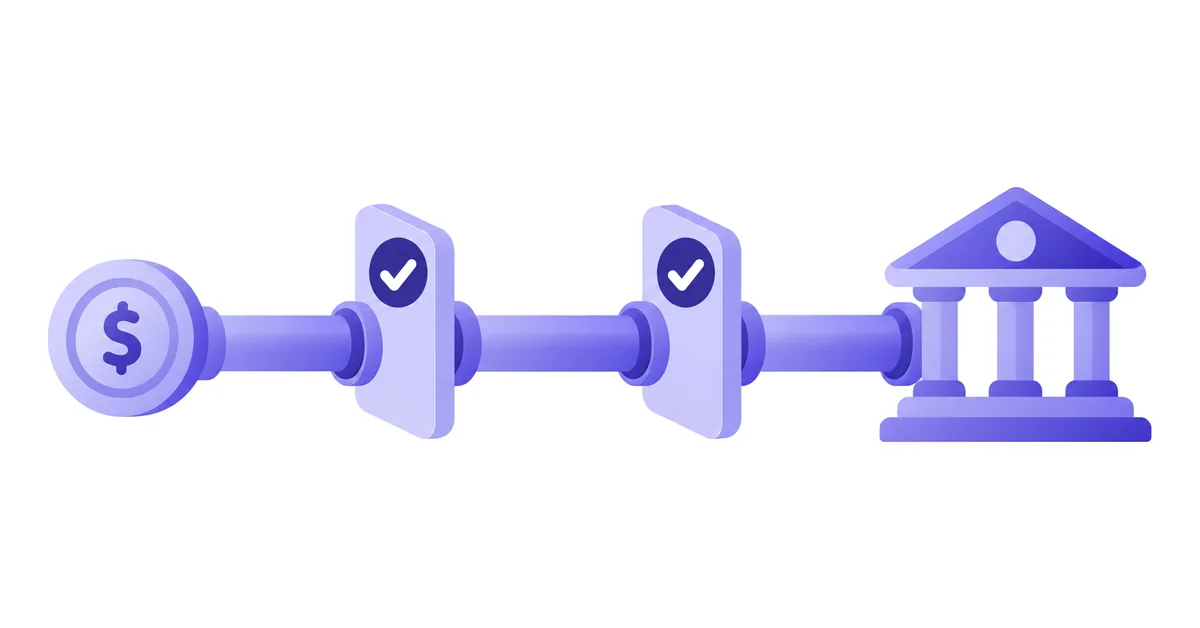
A pipe carrying a coin to a bank passes two gates with deep indigo check marks, showing each payment step verified before launch.

Financial Technology Consulting Results From Real Clients

4 Integrations, Zero Re-Keying

“Orders were typed into the ERP, then again into the carrier portal, then again into billing. Wicker connected the four systems and set up alerts for failed syncs. Order entry time dropped by 60%, and month-end no longer starts with a cleanup.”

SM
Sofia MarchettiIT Manager, Distribution Company

Software Choice in 5 Weeks

“We had three warehouse system demos and no way to compare them. Wicker built a scoring sheet from our real receiving and picking steps and ran the reference checks. We signed with the vendor that fit, and go-live came two weeks ahead of plan.”

ME
Marcus EllisonOperations Director, Freight Forwarder

Straight Answers on Day 1

“On the discovery call they asked what our IT team spends its week on instead of pitching a platform, and told us one planned upgrade could wait a year. That honesty is why we hired them. The roadmap since has been practical and free of buzzwords.”

RC
Ryan CaldwellCFO, Specialty Pharmacy Chain

Your Finance Systems Before and After Consulting

Where the time goes today, and what you get back.

Before Consulting

  • Exports and spreadsheets between tools
  • Payments and ledger that never quite match
  • Overlapping tools and old rate cards
  • Vendors signed without a security review
  • No clear view of fees and failed syncs

After Consulting

  • Data flows between your systems on its own
  • Transactions matched and flagged automatically
  • One compared stack with costs you understand
  • Security and exit terms checked before signing
  • Monthly reports on cost, errors and close time

Benefits of Financial Technology Consulting for Your Business

Why outside help pays off when you choose and connect finance systems.

You Close Your Books Faster

When payments, billing and the ledger exchange data on their own, reconciliation shrinks from days of matching to a short list of exceptions. Your team spends the time on analysis instead of exports.

You Spend Less on Tools and Fees

An assessment often finds overlapping subscriptions, unused seats and processing rates nobody has renegotiated. Removing them pays for part of the project before any new tool is added.

You Reduce Vendor and Security Risk

Every vendor you add holds sensitive data. Reading audit reports, checking access rules and negotiating exit terms up front costs little compared with finding gaps after an incident.

You Avoid Expensive Wrong Choices

Switching a billing or payments platform later is slow and costly. Choosing against your own scenarios, with reference checks, keeps your first decision from becoming a second project.

Financial Technology Consulting Pricing and Scope

Every project gets a fixed quote after a free assessment. This table shows what typically sits in each scope, so you can see what you are paying for.

ScopeCoverageTypical timeline
AssessmentMap of your finance systems, cost and risk scoring, ranked recommendations2 to 4 weeks
Vendor selectionRequirements, scoring sheet, demos on your scenarios, reference checks, contract review4 to 8 weeks
IntegrationConnecting payments, banking, billing and the ledger, with testing and failed-sync alerts1 to 4 months
Full programAssessment, selection, integration, migration, training and ongoing supportPlanned in stages

What to Expect Before Your Financial Technology Project Starts

  • Hidden fees

    You Know the Cost Before We Begin

    A fixed quote follows the assessment, so there are no surprise invoices.

  • Work that should wait

    A Clear Yes or No on Fit

    If your current system is good enough, you hear it on the first call, along with what to fix first.

  • Hard-to-read updates

    Honest Answers All the Way

    Each week you get a brief update: what is finished, what is stuck and what we need from you.

  • Weeks spent waiting

    A Written Plan After Your Call

    After your call you get a summary with priorities, timeline and cost range to share with your team.

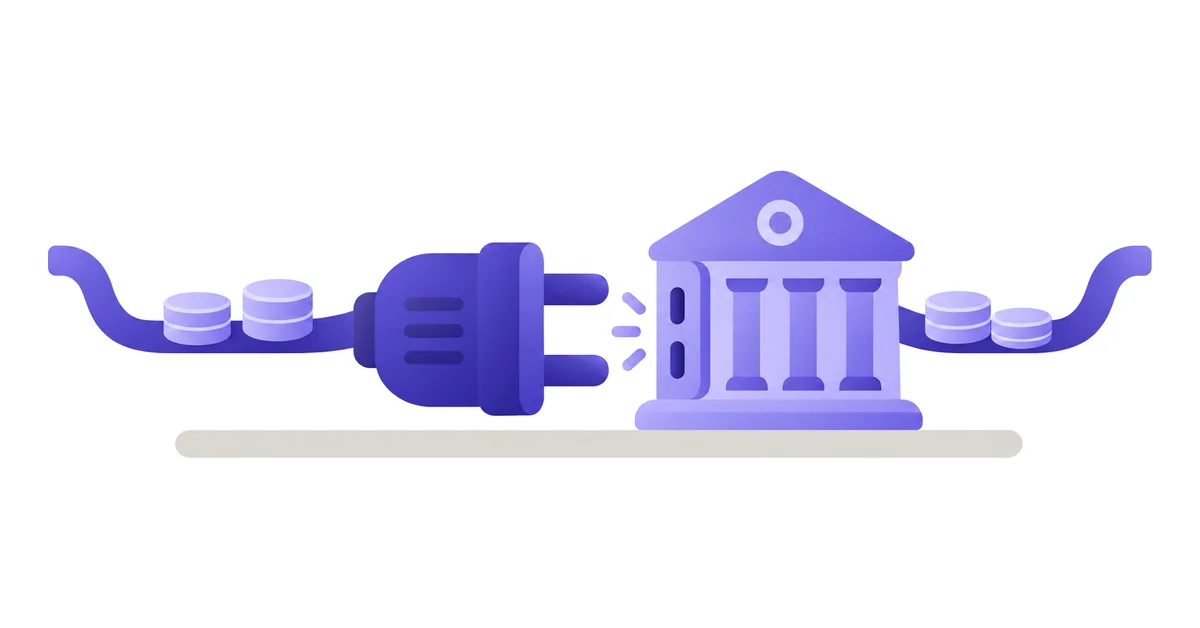
A plug sliding into a bank-shaped socket with coins on the cables shows payments and banking joined to your existing stack.

Payments and Banking Integration That Fits Your Stack

No rip-and-replace projects. Your processor, bank feeds, billing platform and ledger get connected, so your team keeps working the way it knows while the retyping between systems stops.

Data moves between your systems automatically, with alerts when a sync fails. New software is only recommended when it clearly pays for itself, which keeps your costs low and your team's adoption high.

A balanced scale with a vendor box and a shield, plus a small magnifier, shows fintech vendors weighed against risk.

Vendor Selection and Risk Review You Can Defend

Every shortlisted vendor is checked for security reports, uptime history and exit terms, so the choice holds up when your auditor, your board or your bank asks about it.

You see the scoring, the reference calls and the three-year cost in writing. Contract terms such as minimum volumes, price increases and data portability are flagged before you sign.

Technology Consulting Beyond Finance

Related services when your finance project touches the rest of your IT.

Connecting Systems

Payments and banking data have to reach your ERP, CRM and reporting tools. See technology integration consulting for the wider picture.

Choosing Software

If the question is which platform to buy, the technology selection consulting process applies to every category, not only finance.

Managing Risk

Vendors, data and outages all carry risk. Learn more about technology risk consulting when your finance stack grows.

Replacing Old Platforms

When a legacy billing or banking system holds you back, technology modernization consulting plans the move in stages.

How to Choose the Right Financial Technology Consulting Partner

The right partner decides whether your finance systems quietly work for years or become a second project in 12 months. Before you sign, check that your financial technology consulting partner can show you each of these:

  • A clear assessment process that ranks changes by cost, risk and return
  • Hands-on experience with the payment, billing and accounting tools you use
  • Security and vendor risk review built into every selection
  • A fixed price agreed before we start, with nothing hidden
  • Reporting on fees, errors and close time after launch

Also ask who owns the documentation after launch. You should receive full maps and training, so the knowledge stays inside your business.

What You Can Count On From Your Financial Technology Partner

  • Signed quote icon

    Fixed Price, Agreed Early

    Agree the total cost before work begins.

  • Coin icon

    High Standards, Fair Pricing

    Complete consulting from start to finish, priced for a first engagement.

  • Personal contact icon

    A Single Point of Contact

    A single person who knows your project and replies quickly.

  • Shield icon

    Your Information Is Secured

    Minimal access rights, documented data flows and an NDA if you want one.

Financial Technology Consulting FAQs

Which Fintech Systems Should We Look at First?

Start with the systems that touch money movement and reporting: payments, billing, bank connections and the general ledger. These carry the highest cost when they fail and the clearest numbers for a business case. Your assessment maps each system for cost, risk and fit, so your first project is the one that removes the most manual work or the biggest compliance exposure.

Do You Replace Our Core Banking or Accounting System?

Only when the numbers say so. Most financial technology projects connect, extend or tidy up what you already run. A replacement is recommended when a system blocks growth, costs more to patch than to swap or cannot meet your security requirements, and you see that reasoning in writing before any contract is signed.

Can You Help Us Choose Between Fintech Vendors?

Yes. You get a scoring sheet built from your own processes, written requirements, vendor demos run against your real scenarios and reference checks with companies like yours. You see the comparison and the total cost over three years before you sign. Vendor fees and contract terms are reviewed line by line.

How Do You Handle Security and Compliance?

Security reviews are part of every selection and integration. Access follows least-privilege rules, data flows are documented and vendors are checked for audit reports such as SOC 2. Wicker does not give legal advice, so rules that apply to your business, such as payment or banking regulation, are confirmed with your own counsel and compliance team.

How Long Does a Financial Technology Project Take?

A vendor selection usually takes a few weeks, an integration between two systems takes a few weeks to a few months, and a platform change takes longer. You get a timeline with your plan after the assessment, before anything is built. Work is delivered in stages, so you see progress early.

How Much Does Financial Technology Consulting Cost?

The cost depends on the number of systems, the vendors involved and how much of the work you want done for you. You get a realistic cost range on your free discovery call and a fixed quote after the assessment, so there are no surprises later. Most first projects are scoped small on purpose.

Do You Work with Startups as Well as Established Firms?

Yes. A startup picking its first payments and accounting stack needs a short, clear recommendation. An established firm usually needs integration, vendor consolidation or a modernization plan. The process is the same, and the scope is sized to your team.

What Happens If a Vendor Does Not Deliver?

Contracts are reviewed for service levels, exit terms and data portability before you sign, so you have options if a vendor falls short. During delivery, your account manager tracks open issues and escalates them with the vendor. If a system has to be replaced, your data and integrations are planned to move with you.

Do You Offer Support After Go-Live?

Yes. Your dedicated account manager monitors the connected systems, handles fixes and suggests improvements every month. Support is available in 5+ languages. You also receive documentation and training, so your team stays in control of every system.
Start Your Financial Technology Project With a Free Plan

Get a free discovery call and a clear plan for your first project.

Get a Free Consultation

Schedule Your Free First Call

Please add your name.
Add a working email address.
Please add a subject line.
Share your goal in a few words.