In Short
- Most fintech problems sit in the handoffs between systems, not inside any single tool.
- Ownership, data quality and integration alerts fix more than switching vendors does.
- Model your cost at three times your volume before you sign any contract.
- Confirm regulatory duties with your own counsel, not with the vendor.
Most fintech projects do not fail because the technology is bad. They fail at the edges: where a payment tool meets the ledger, where an old system meets a new vendor, where a finance team meets a new process. In financial technology consulting work, the same nine problems appear again and again.
This guide lists them in the order I usually meet them, with the symptom you will notice, a do and avoid pair for each and a question to ask before you spend money. Nothing here is legal advice, and rules vary by country, so check requirements that apply to you with your own counsel.
The Nine Hurdles at a Glance
| Challenge | Where it hurts first | First fix |
|---|---|---|
| 1. Legacy Systems That Do Not Connect | Core upgrades | Connector layer |
| 2. Integration Gaps Between Payments, Billing and the Ledger | Reconciliation | Source of truth |
| 3. Data Quality and Duplicate Records | Reporting | Data cleanup |
| 4. Security and Vendor Risk | Vendor onboarding | Audit reports |
| 5. Regulatory Complexity | Launch and audits | Counsel review |
| 6. Hidden Costs and Pricing That Scales Badly | Renewal | Volume model |
| 7. Poor Adoption by Finance Teams | Month-end | Parallel run |
| 8. Scaling Past the First Setup | Peak season | Load test |
| 9. Unclear Ownership and Support | Customer payments | Named owner |
1. Legacy Systems That Do Not Connect
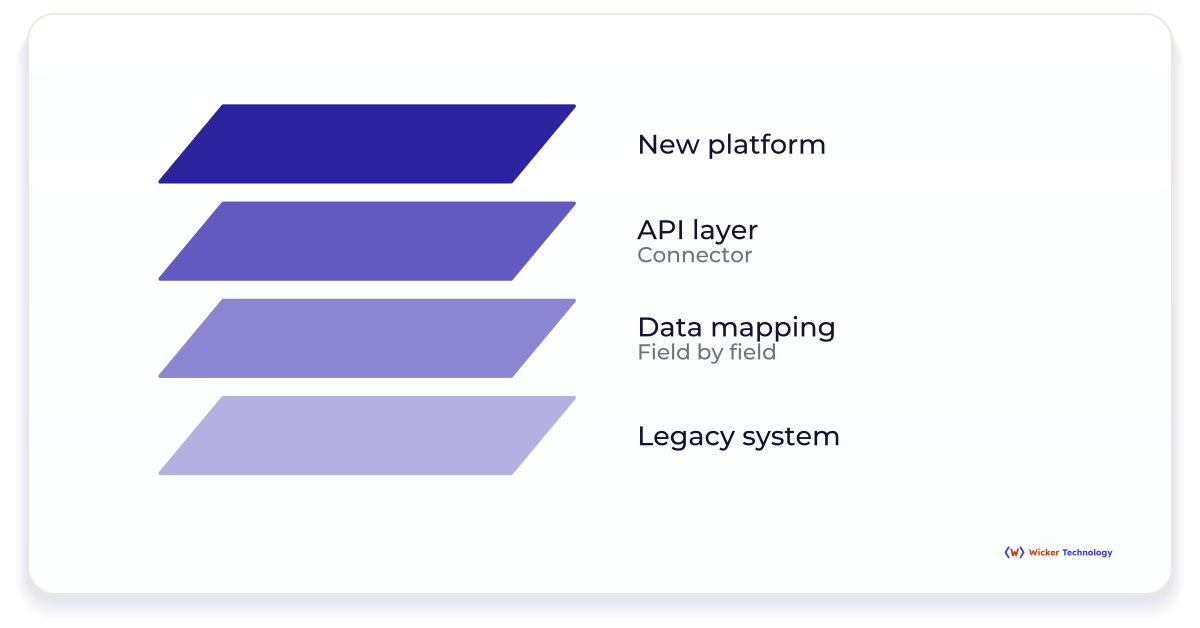
Most finance teams I meet run at least one system older than the people using it. It works, nobody wants to touch it and it has no modern way to share data. Every new fintech tool then needs a custom bridge, which is where budgets leak.
| Do this | Avoid this |
|---|---|
| Put a connector or middleware layer in front of the old system and move one function at a time. | Rip out the core in one weekend because the vendor demo looked clean. |
Ask each new vendor which data formats and APIs it supports before the demo, not after.
For ways to avoid this in practice, see the projects in financial technology examples.
2. Integration Gaps Between Payments, Billing and the Ledger
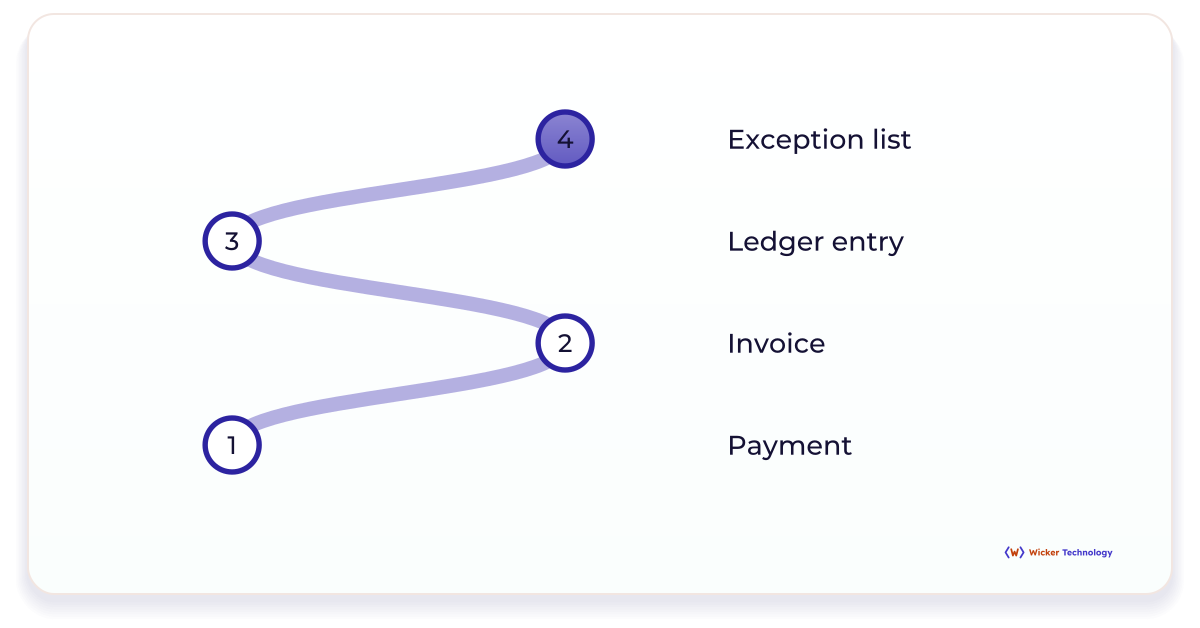
A processor, a billing tool and a ledger each do their job well. The trouble is the handoffs. A refund issued in one system and missing in another creates a difference that shows up weeks later, when nobody remembers the cause.
| Do this | Avoid this |
|---|---|
| Define a single source of truth for each field and sync everything else from it. | Let two systems both edit the same customer or invoice record. |
Build an exception list that shows every mismatch between the systems each morning.
3. Data Quality and Duplicate Records
Fintech tools expose bad data quickly. Duplicate customers, inconsistent vendor names and missing tax IDs all slow reconciliation and reporting. A new tool will not clean the data for you, and some will multiply the mess by creating records automatically.
| Do this | Avoid this |
|---|---|
| Clean and de-duplicate vendors and customers before a migration. | Import everything and fix it after go-live. |
Assign someone to own the master list of customers and suppliers.
4. Security and Vendor Risk
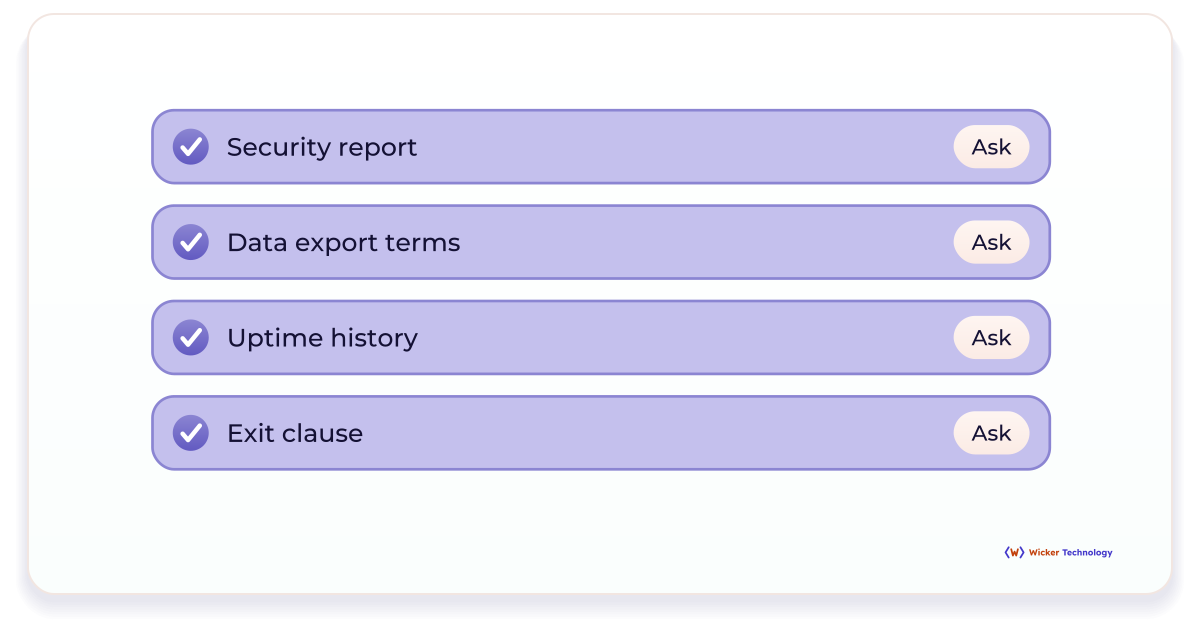
Every fintech vendor holds money data and often credentials to your bank. A weak vendor becomes your problem. In vendor reviews I see the same gaps: no independent audit report, wide access rights and no plan for what happens if the vendor shuts down.
| Do this | Avoid this |
|---|---|
| Ask for the latest audit report such as SOC 2 and review access scopes before you connect anything. | Grant full read and write access when read-only is enough. |
Confirm in writing how you can export your data if you leave.
5. Regulatory Complexity
Payments, lending and data protection rules differ by country and sometimes by state, and they change. I cannot give legal advice and a vendor's sales team should not either. What I see go wrong is teams assuming the vendor carries a regulatory duty that stays with them.
| Do this | Avoid this |
|---|---|
| Ask your counsel which obligations stay with you and document the answer for each vendor. | Rely on a marketing page as proof of compliance. |
Check the current rules before launch, since requirements change.
6. Hidden Costs and Pricing That Scales Badly
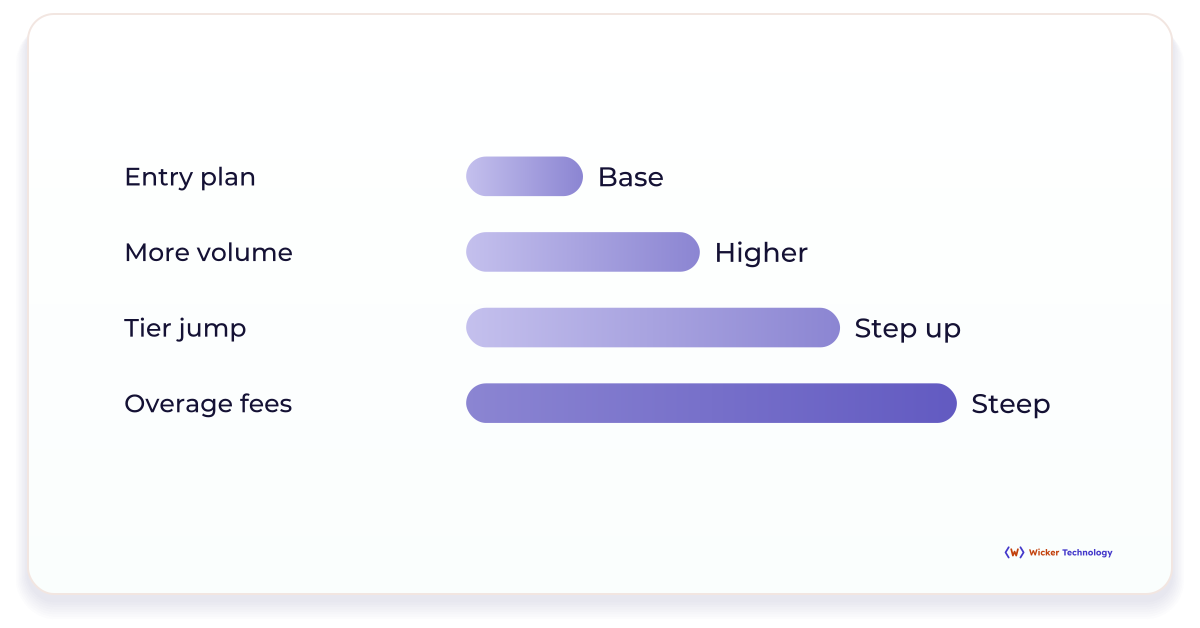
A payment fee of a few percent looks small until volume grows. Per-seat pricing hurts when more people need access, and usage-based pricing can double in a busy quarter. Contracts sometimes include minimums and price increases at renewal.
| Do this | Avoid this |
|---|---|
| Model your cost at today's volume and at three times that volume. | Judge a vendor on the entry price shown on its pricing page. |
Negotiate a renewal cap and a clear exit clause before you sign.
Prices change often, so compare plans in my ranking of financial technology tools before you model costs.
7. Poor Adoption by Finance Teams
A tool nobody uses saves nothing. Finance staff are careful by nature, and they will keep the spreadsheet as a backup if they do not trust the new system. Two parallel processes then cost more than either one alone.
| Do this | Avoid this |
|---|---|
| Run old and new side by side for a defined period, then retire the old one on a date. | Launch with a one-hour training and no follow-up. |
Name champions inside the team and fix the complaints they raise fast.
8. Scaling Past the First Setup
A stack that works for 500 transactions a month can strain at 50,000. Rate limits, approval chains and reconciliation steps that were fine at small volume become bottlenecks. Many companies discover this during a busy season, which is the worst time.
| Do this | Avoid this |
|---|---|
| Test at several times your current volume before you need it. | Wait for failures during peak season to find the limits. |
Review limits and contract tiers each quarter.
9. Unclear Ownership and Support
When a payment fails, who fixes it: finance, IT or the vendor? Fintech sits between teams, so nobody owns it by default. Issues bounce between departments while customers wait for money.
| Do this | Avoid this |
|---|---|
| Name one owner per integration and one escalation path per vendor. | Leave ownership to whoever set it up first. |
Keep a short runbook that lists contacts, steps and expected response times.
How Long Each Fix Usually Takes
Time matters as much as cost, because a fix that takes a year loses support halfway. These ranges come from my project experience and vary with company size, so treat them as a starting point for your own plan.
| Fix | Typical effort | Who needs to be involved |
|---|---|---|
| Connector layer for a legacy system | 4 to 12 weeks | IT, finance lead, vendor |
| Single source of truth for key fields | 2 to 4 weeks | Finance and operations |
| Customer and supplier data cleanup | 3 to 8 weeks | Finance, sales, procurement |
| Vendor security review | 1 to 3 weeks per vendor | IT, security, legal |
| Cost model at three volumes | A few days | Finance |
| Parallel run and retirement date | 1 to 3 months | Finance team |
| Load test and limit review | 1 to 2 weeks | IT and vendor |
| Ownership map and runbook | 1 week | Department heads |
The quick ones, such as the ownership map and the cost model, are worth doing this month. They are cheap, they build momentum and they make the longer projects easier to scope.
A Short Story From a Rollout
One client, a regional payments reseller, had four of these hurdles at once. Its billing tool and ledger disagreed by a small amount each month, nobody owned the sync, the vendor had never been reviewed and the contract had a 7% price rise at renewal. I started with the ownership map, which took a week, and then added an alert to the sync. The differences turned out to come from refunds booked in one system only. That fix took two days once someone looked, and it had cost the finance team about a day every month for two years.
The lesson is that the dull fixes come first. The vendor review and the renewal cap came after, and they were easier because one person now knew how the pieces fitted together.
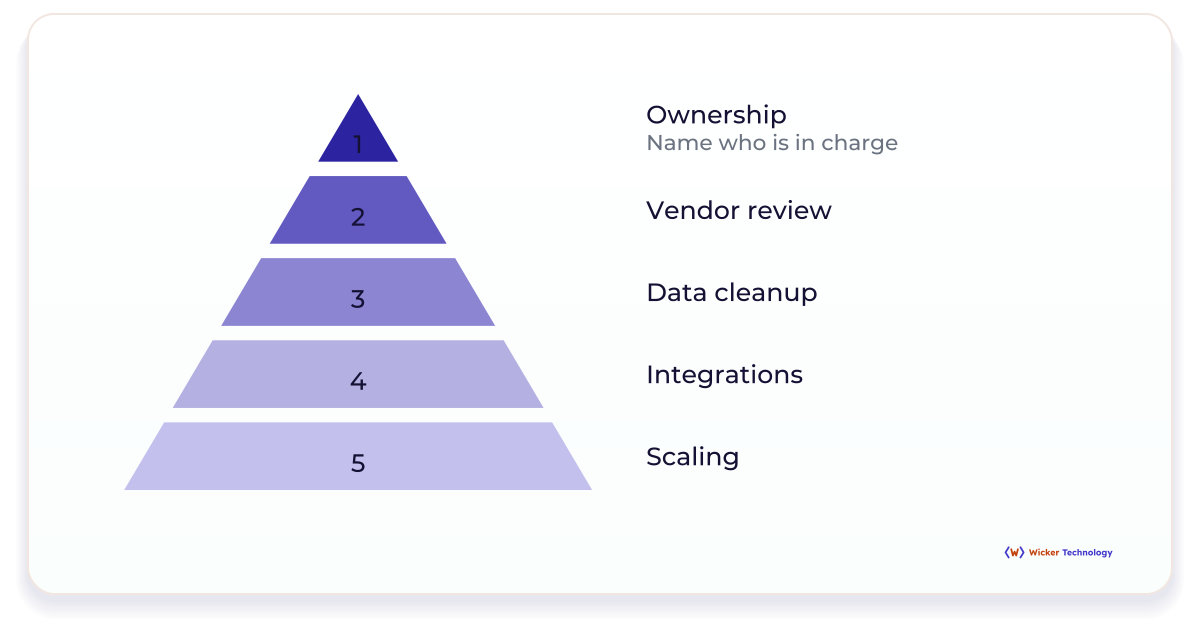
Notice what the nine have in common. In my experience the teams that handle them best review a short list every month: failed syncs, unmatched items, vendor renewals and open owner questions. That half hour costs little and catches problems while they are still small. Seven involve people and process, and only two are about the technology itself. That is why changing vendors rarely solves them. If your last two tools disappointed in similar ways, look at ownership and data before you look at the next demo.
Which Hurdle to Tackle First
Start with ownership and data quality, because they cost nothing and every other fix depends on them. Move to integration gaps next, then vendor risk and cost modeling. Regulatory questions run alongside all of them and belong with your counsel from the first week.
- Do you have one named owner per system and per vendor?
- Do your customer and supplier lists have one clean master?
- Can you list every place a transaction is recorded?
- Have you read the audit report of every vendor that holds money data?
If you answered no to two or more, start there before you buy anything new.
Questions About Financial Technology Challenges
What Is the Biggest Challenge in Financial Technology?
In my client work it is connection: getting payments, billing, banking and the ledger to agree. Each tool can work well alone, and the handoffs between them cause most delays and errors.
How Do I Choose a Fintech Vendor Safely?
Check audit reports, access scopes, uptime history and exit terms before you sign. Run the vendor against your own scenarios in a trial, and call two reference customers of similar size.
Why Do Fintech Integrations Fail?
Usually because nobody owns them. A password changes, a limit is hit or a field is renamed, and the sync stops without an alert. Monitoring and a named owner prevent most failures.
How Much Should I Budget for Fintech Implementation?
Budget the license, the migration, the integration and your own team's time. In many projects the non-license costs match or exceed the license. I suggest you request a three-year total from every vendor.
How Do I Handle Regulatory Requirements?
Ask your counsel which obligations apply to you and which stay with you when a vendor is involved. Do not rely on a vendor's marketing. Rules change, so check current requirements before launch and review them each year.
Should We Replace Our Legacy System or Connect to It?
Connect first if the system still does its job and you can wrap it with a connector layer. Replace when it blocks growth, cannot meet security needs or costs more to patch than to swap. An assessment gives you the numbers.
How Do I Get My Finance Team to Adopt a New Tool?
Involve them early, name champions, run old and new in parallel for a fixed period and fix the first complaints quickly. People adopt tools they trust, and trust comes from seeing the numbers match.
Disclaimer: This article is general information, not legal, tax or financial advice. Confirm regulatory requirements with qualified professionals.
Important: nothing in this article is legal, financial or tax advice. All figures are estimates from typical projects, so verify them with your own providers and advisers.
Was this useful?
We appreciate the feedback.
Paige Mulvaney
Paige leads the Wicker editorial team and works with the consultants who run the roadmaps, software selections, implementations and integrations to turn real client projects into practical guides. Her focus is plain-language advice on IT strategy, choosing business software and connecting systems so they work together. Every article she edits is checked against current vendor pricing and documentation before it is published.