In Short
- Management is a routine: inventory, owners, renewals, intake, cost tracking and retirement, repeated every quarter.
- Every system needs a business owner and a renewal date, or it drifts and costs rise.
- Standardize common tools, but leave room for real departmental needs.
- Track cost by business service so leaders can see what the money buys.
Strategy decides where you want to go. Management is what keeps you from drifting while you get there. I see the same pattern in many organizations: a good plan is written, and within a year the landscape has grown back, because nobody was running the routine that holds it in shape.
This guide lists the eight habits I use with clients of enterprise technology consulting, each with what to do and what to avoid. Start with one or two. You do not need all eight at once.
A Management Rhythm You Can Copy
The table shows what to look at and when. Most items take an hour or two per cycle once the inventory exists.
| How often | What you review | Who attends | Decision to leave with |
|---|---|---|---|
| Monthly | Incidents, security alerts, cloud and license spend against budget | IT operations, security, finance partner | Which issues get fixed this month |
| Quarterly | Inventory changes, upcoming renewals, intake requests, retirement list | CIO, architecture, procurement, business owners | Renew, renegotiate or retire for each contract in the window |
| Twice a year | Progress against the roadmap and the strategy outcomes | Executive team | Which priorities move, stop or get new funding |
| Yearly | Budget, standards and build, buy or partner rules | CEO, CFO, CIO | Next year’s funding and any changes to the rules |
Eight Practices, With What to Do and What to Avoid
1. Keep One Living Inventory of Systems
Everything else in technology management depends on knowing what you run. When I join a client, the first thing I ask for is the contract list, and the first thing I find is that three lists exist and none match.
The inventory does not need a special tool. A shared spreadsheet works until you pass a few hundred systems. What matters is that someone owns it and that finance, procurement and IT all read from it.
| Do this | Avoid this |
|---|---|
| Record every system, owner, cost, renewal date and integration in one place, and review it every quarter. Tie each entry to a named person. | Keeping separate lists in IT, finance and procurement that nobody reconciles. |
2. Give Every System a Business Owner
A system without a business owner drifts. Nobody retires it, nobody checks whether the license count is right and nobody can say whether it still fits the process.
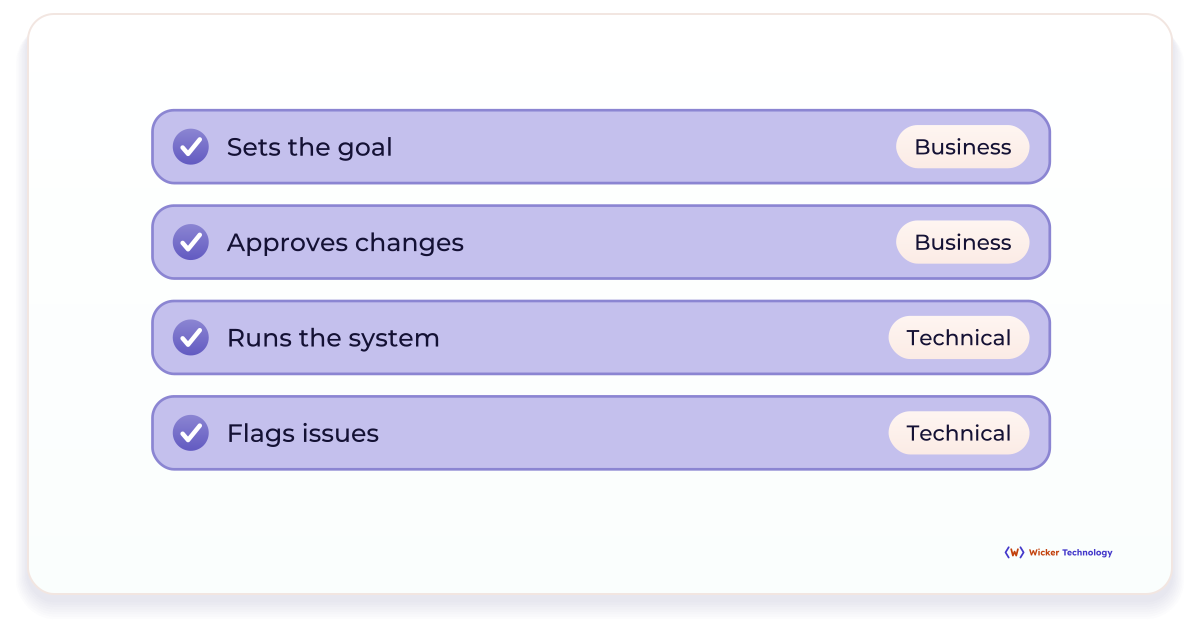
The business owner decides what the system should do. The technical owner decides how it is run. Writing both names next to each system settles most arguments before they start.
| Do this | Avoid this |
|---|---|
| Name one person in the business, not IT, who answers for what the system does, who can use it and when it should change. | Letting IT be the default owner of tools it never asked for. |
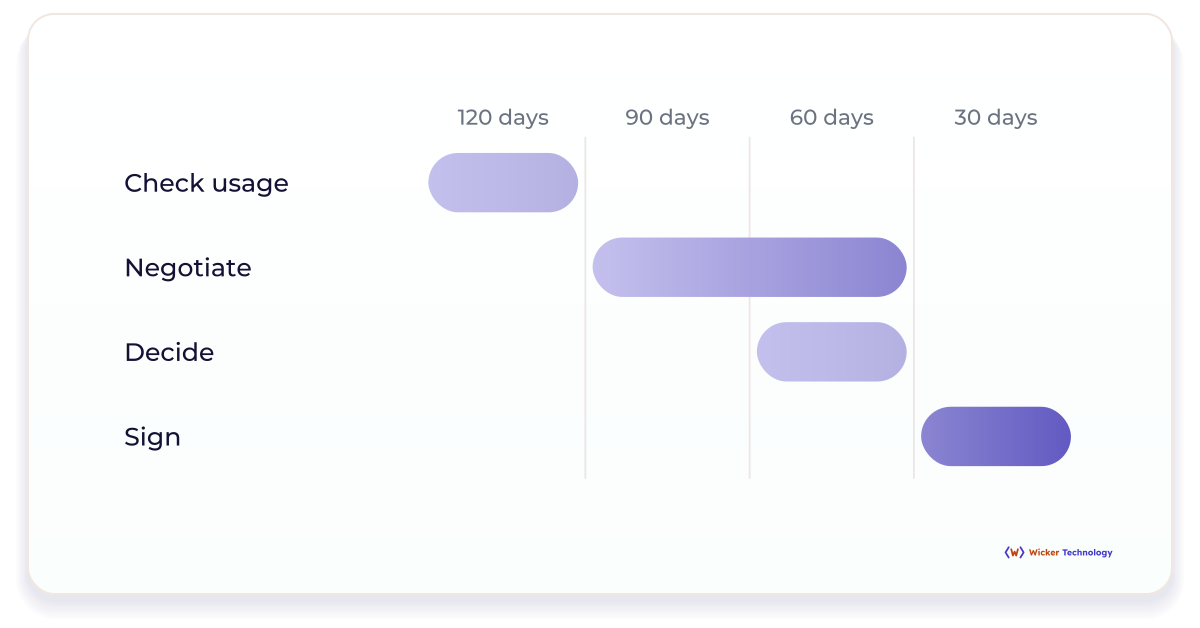
3. Manage Renewals 120 Days Ahead
Auto-renewals are the quietest cost in the landscape. A vendor that raises prices by a few percent a year compounds fast, and notice periods of 60 or 90 days leave no room to negotiate if you start late.
At renewal, ask three questions: is the system still used, are you paying for the right number of licenses and is there a better option today. A review that takes an hour can change the price.
| Do this | Avoid this |
|---|---|
| Calendar every contract renewal and notice period, and start the review at least four months before the date. | Learning about a renewal when the invoice arrives. |
4. Standardize Where Differences Add Nothing
Standards cut cost and support effort, and they make integration far simpler. They also make people grumpy if they are imposed without reason.
Standardize the commodity layer and leave room in the places where a department really needs something different. Write down the exceptions and the reason for each.
| Do this | Avoid this |
|---|---|
| Set one approved option for common needs such as email, file storage, ticketing and identity, and make it the easy path. | Allowing each department to pick its own tool for the same job. |
5. Run Changes Through a Light Intake Routine
Intake is the doorway through which sprawl enters or is kept out. If it is slow, people go around it. If it is missing, you get shadow IT.
Aim for an answer within a week for common requests. Anything that touches core systems or customer data gets a deeper look. The rule behind the routine comes from your enterprise technology strategy, which is the reference for every decision.
| Do this | Avoid this |
|---|---|
| Ask four questions for every request: what problem, which outcome, what it connects to and who will own it. | Approving purchases in a hallway, or building a committee that takes months to answer. |
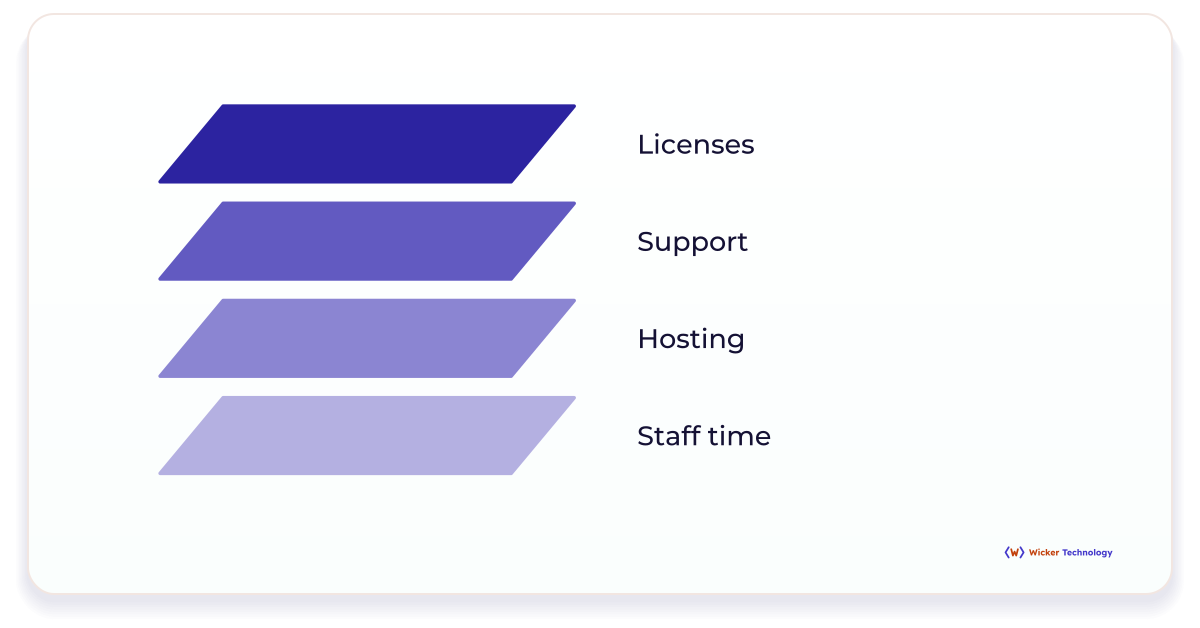
6. Track Cost per Service, Not Only per Vendor
A vendor list tells you who gets paid. A service view tells you what a business function costs to run, which is the number leaders can act on.
Start with five to ten services. Allocate shared costs with simple rules and accept that the first version will be approximate. A rough cost per service beats an exact cost per invoice.
| Do this | Avoid this |
|---|---|
| Group spend by the business service it supports, such as order fulfillment or payroll, and track it over time. | Reporting only total vendor spend, which hides what the money buys. |
7. Measure Reliability in Terms the Business Understands
Pick the services whose failure would stop the business. For each, agree what acceptable looks like and report against it monthly.
When an outage happens, review what happened in a short, blameless write-up. The pattern across several of them tells you more about your landscape than any audit.
| Do this | Avoid this |
|---|---|
| Report availability, incident counts and recovery time for the handful of systems that carry revenue or compliance. | Showing dashboards with hundreds of technical metrics that no executive reads. |
8. Plan Retirement From Day One
Every system will be replaced someday. If you ask about export formats and exit costs before you sign, you keep the option open at almost no cost.
A retirement list also gives the quarterly review something concrete to work on. Aim to retire a few systems each year, or the landscape only grows.
| Do this | Avoid this |
|---|---|
| Add an expected end date and an exit route, including data export, whenever you approve a new system. | Buying systems that can only be left by rebuilding everything. |
Renewals are the practice that saves the most money, so I put a calendar around them.
Cost per service is easier to build when you list its parts first.
Who Does What
The routine fails when roles are vague. The CIO owns the rhythm and the standards. Finance owns the budget and the cost views. Procurement owns contracts and renewal dates. Each business owner answers for the fit of their system. Security signs off on anything that holds sensitive data.
In smaller organizations, one person often holds several of these roles. That is fine as long as the list is written down and someone else can read it. If you are still sizing the landscape, an enterprise technology assessment gives you the first inventory and the ratings that make the quarterly review meaningful.
Managing Vendors as Part of the Routine
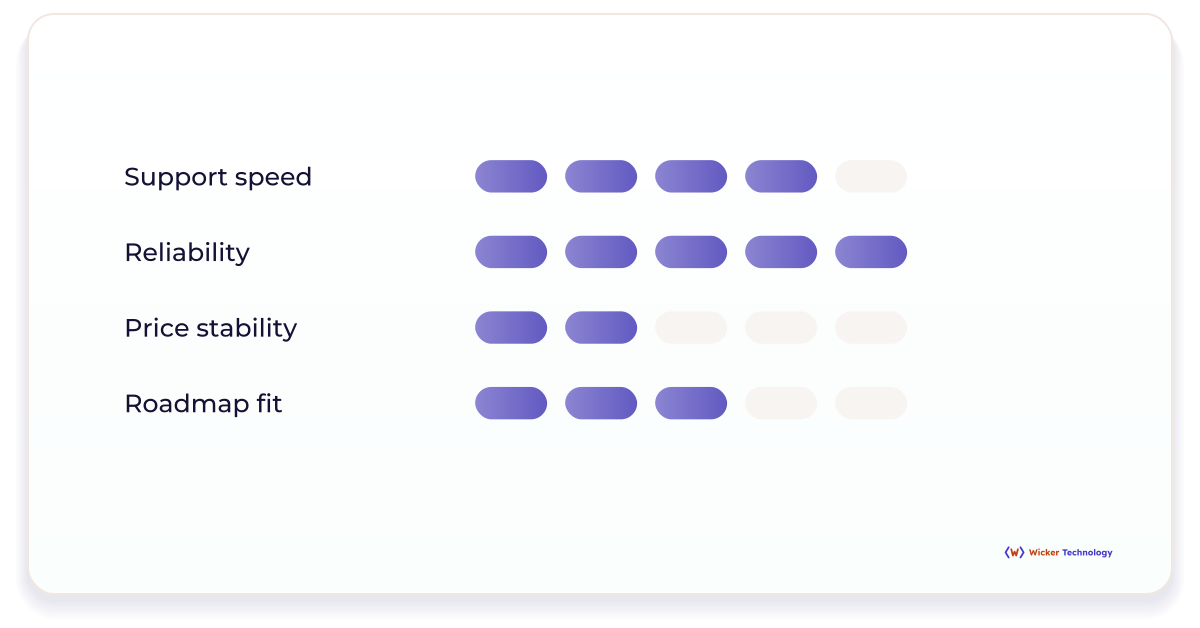
Vendors are part of your landscape, and a few of them carry most of your risk. Keep a short list of strategic vendors, usually five to ten, and review each one yearly: how the relationship is going, what they plan to change, what they charge and how they performed against the contract.
Keep a record of incidents, support response times and any price increases. When a renewal comes, that record is your negotiating position. Without it, you are arguing from memory against someone who has a spreadsheet.
Ask each strategic vendor two questions every year: what is on your roadmap that affects us, and what is the cost to leave? A vendor that answers the second question openly is usually a safer partner than one that avoids it.
Skills and Capacity Belong in the Routine
A landscape can only be managed by the people who understand it. Once a year, list the skills each critical system needs and who has them. Wherever the answer is one person, plan a backup: documentation, a second trained person or a support contract.
Where to Start in Your First 90 Days
I would not try all eight practices at once. A sequence that works for most organizations:
- Weeks 1 to 4: build the inventory and name an owner for every system
- Weeks 5 to 8: calendar every renewal for the next 12 months and start the first reviews
- Weeks 9 to 12: set up the intake questions and the first cost-per-service view
After that, add standards and the reliability report. Changes that need project funding belong in the enterprise technology roadmap, so management stays about running things and the roadmap stays about changing them.
You will also hear about leading practices from other organizations. The enterprise technology examples page shows how twelve of them handled problems such as acquisitions and cloud sprawl.
How to Choose Your First Two Practices
Pick the ones that match your biggest pain. If surprise invoices keep appearing, start with renewals and the inventory. If departments keep buying their own tools, start with intake and standards. If leaders argue about what technology costs, start with cost per service. A few weeks of visible progress on one problem earns the support you need for the rest.
If you want help setting up the routine and handing it to your own team, an outside consultant can build the first cycle with you and then step back.
Questions About Enterprise Technology Management
What Is Enterprise Technology Management?
It is the ongoing work of running, funding and changing your technology landscape so it keeps supporting the business. It includes inventory, ownership, renewals, standards, intake of new requests, cost tracking and retirement of old systems.
How Is It Different from IT Management?
IT management often focuses on running infrastructure and support. Enterprise technology management also covers business applications, vendor contracts, budgets and decisions across departments, including tools that IT did not buy.
Who Should Be Responsible for It?
A CIO or equivalent leads it, with finance and procurement as partners and a named business owner for each system. In smaller organizations, one person can hold the CIO role part time as long as the ownership list is clear.
How Often Should We Review the Landscape?
Review the inventory and renewals every quarter, and review the strategy and roadmap once or twice a year. Fast-moving areas, such as security and cloud spend, can use a monthly check.
Do We Need a Special Tool?
Not at first. A well-kept spreadsheet covers a few hundred systems. If you grow past that, or have many contracts and integrations, a software asset or IT portfolio tool starts to pay for itself, but only after the process works by hand.
How Do We Deal with Shadow IT?
Make the approved route faster than the workaround, then scan expense reports and single sign-on logs for tools nobody approved. Treat the findings as information about unmet needs, not as misconduct.
What Should We Measure First?
Start with three numbers: total spend by business service, share of contracts with a named owner and number of renewals reviewed before the notice date. They are easy to collect and they show quickly whether the routine works.
Important: nothing in this article is legal, financial or tax advice. All figures are estimates from typical projects, so verify them with your own providers and advisers.
Was this useful?
We appreciate the feedback.
Paige Mulvaney
Paige leads the Wicker editorial team and works with the consultants who run the roadmaps, software selections, implementations and integrations to turn real client projects into practical guides. Her focus is plain-language advice on IT strategy, choosing business software and connecting systems so they work together. Every article she edits is checked against current vendor pricing and documentation before it is published.