In Short
- Start from care and revenue goals, then choose technology. A system list is not a strategy.
- Score every initiative on patient impact, risk, cost and effort so priorities are visible.
- Fund quick wins from savings found in the audit, and stage larger moves over 12 to 24 months.
- Review the plan every quarter. A strategy that never changes is already out of date.
Most healthcare technology plans I am asked to review are lists of systems with renewal dates. They tell you what you own and say nothing about what you are trying to achieve. A strategy answers the second question first, and the list follows.
The playbook below is the one I use in healthcare technology consulting work. It has five phases, a scoring method for priorities and a 12-month view you can adapt. Where the plan meets resistance, my notes on common healthcare technology challenges explain why.
Five Phases, Summarized
| Phase | Main question | Output | Typical time |
|---|---|---|---|
| 1. Goals | What must care and revenue achieve? | Three to five goals with measures | 2 to 4 weeks |
| 2. Inventory | What do we run and what does it cost? | System map and cost view | 3 to 5 weeks |
| 3. Priorities | What should change first? | Scored initiative list | 2 weeks |
| 4. Funding | How do we pay and what do we buy? | Business case and shortlist | 4 to 8 weeks |
| 5. Delivery | How do we change without disruption? | Staged plan, owners, reviews | Ongoing |
Phase 1: Set Goals That Technology Can Serve
Begin with what the organization needs in the next two years: shorter waits, fewer denials, a new location, a service line, lower staff turnover. Write three to five goals and attach a number to each. Technology then gets judged on whether it moves one of those numbers.
A short workshop with clinical, finance and operations leaders does the job. I ask each person for the three problems that cost them the most hours, and the overlap usually surprises everyone. If the same issue shows up on three lists, it belongs in the plan.
Phase 2: Inventory What You Run and What It Costs
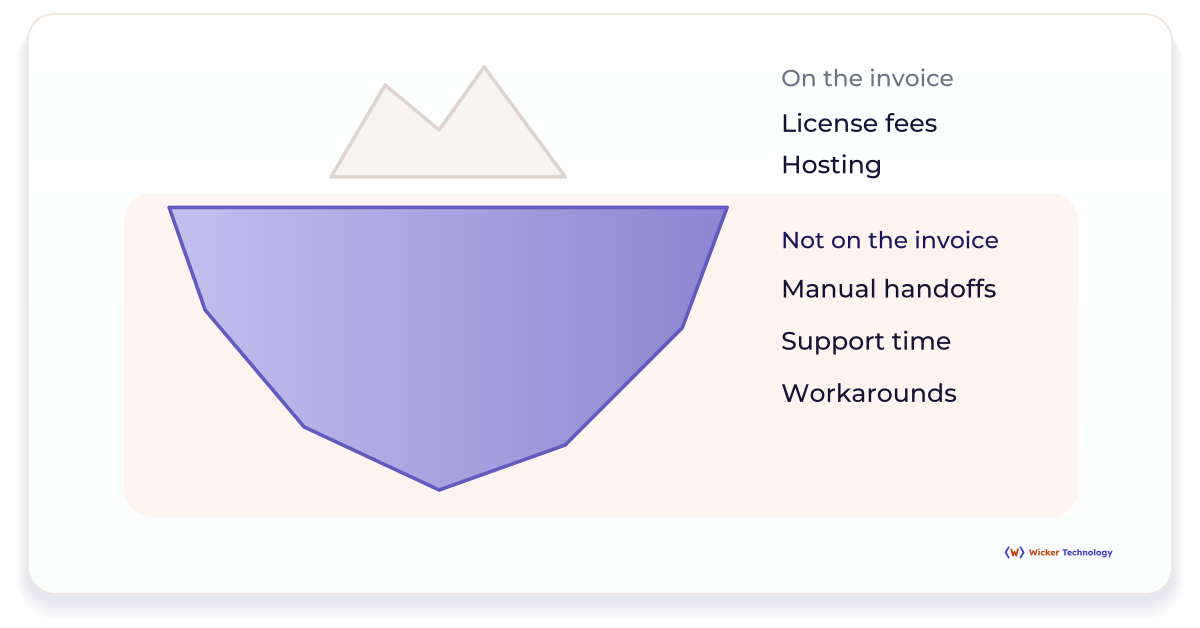
List every application, interface, device class and vendor contract. For each, record the owner, annual cost, renewal date, user count and a rough satisfaction score from the people who use it. This is dull work and the most valuable part of the project. Almost every inventory I have seen turns up tools nobody owns and renewals nobody has reviewed.
Mark manual handoffs too. In the ASTP 2024 public health reporting data, 81% of hospitals named at least one challenge, and 55% cited technical complexity of interfaces. Your own interfaces probably show the same pattern, so find them before you plan around them.
Phase 3: Score Initiatives and Set Priorities
Turn every idea into an initiative with a one-line description, then score it. I use four factors on a 1 to 5 scale. The scale is simple on purpose, so leaders can argue about the scores and not about the method.
| Factor | Scoring question | Weight |
|---|---|---|
| Patient and staff impact | How many people feel the improvement, and how much? | 35% |
| Risk reduction | Does it cut security, continuity or compliance risk? | 25% |
| Cost and payback | What does it cost over five years, and when does it pay back? | 20% |
| Effort and readiness | How hard is delivery, and is the team ready? | 20% |
Multiply each score by its weight and add up. Initiatives with high impact and low effort are quick wins. High impact and high effort go on the roadmap with a staged plan. Low impact and high effort are the ones to drop, which feels uncomfortable and is often the biggest saving. My list of healthcare technology examples shows how organizations of different sizes ended up with their top three.
Phase 4: Fund the Plan and Shortlist Vendors
Build the business case from savings first. Retiring duplicate tools, shifting from manual to automated steps and fixing denial causes all produce numbers you can defend. A first phase funded from those numbers gives you credibility for the second.
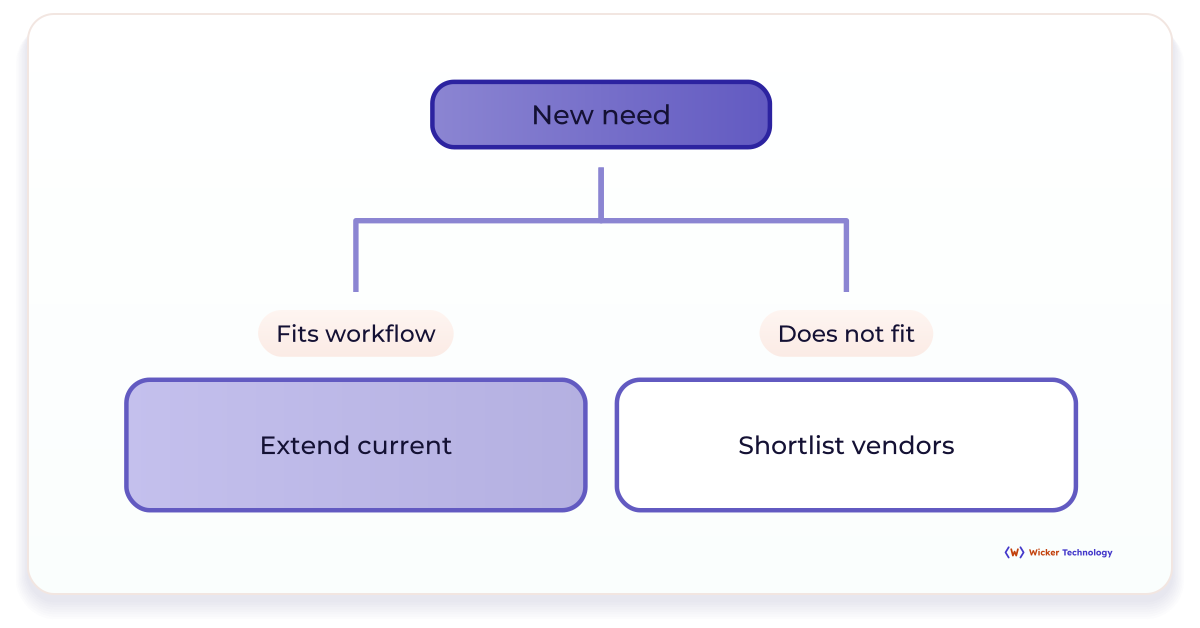
Where a new product is needed, write requirements from your workflows, not from vendor brochures, and score a shortlist the same way you scored initiatives. The comparison in my ranking of healthcare technology solutions helps you build that shortlist. Ask every vendor for exit terms, data export formats and renewal caps before you discuss price.
Phase 5: Deliver in Stages and Keep Governance Light
Sequence changes so no site, department or week carries more than it can absorb. Avoid starting a billing change and a scheduling change in the same month, because staff cannot tell which one caused the problem. Each go-live needs a rollback path, floor support and a training round before and after.
Governance can be small: one monthly meeting where the owner, a clinical lead and a finance lead review progress, open risks and upcoming renewals. Security checks belong in that meeting, because large breaches keep rising. HIPAA Journal counts 805 large breaches in 2025 and more than 289 million people affected in 2024, so the plan should show who reviews vendor risk and when. For more on what the numbers look like, see my collection of healthcare technology statistics.
A Worked Scoring Example for a Ten-Provider Clinic
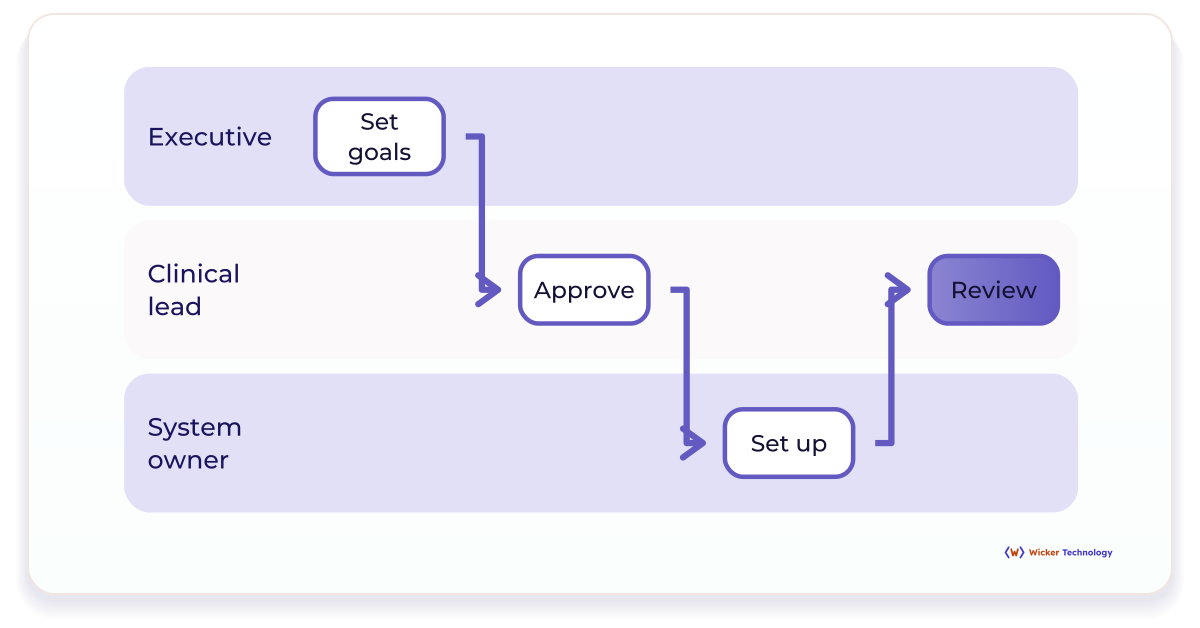
Say a ten-provider clinic lists four ideas: connect scheduling to billing, replace the patient portal, add an AI scribe pilot and move the file server to a managed service. Each is scored 1 to 5 on the four factors. The numbers below are illustrative, and your own scores will differ, but the pattern shows how a ranking emerges.
| Initiative | Impact | Risk | Cost and payback | Effort | Weighted score |
|---|---|---|---|---|---|
| Connect scheduling to billing | 4 | 3 | 5 | 4 | 4.0 |
| Move file server to managed service | 2 | 5 | 4 | 4 | 3.4 |
| AI scribe pilot | 4 | 2 | 3 | 3 | 3.2 |
| Replace patient portal | 3 | 2 | 2 | 2 | 2.4 |
The portal replacement looks attractive in a demo and ranks last once cost and effort are counted. Connecting scheduling to billing wins because it saves front desk time, cuts claim errors and costs little. The file server move scores low on impact but high on risk reduction, which is why I keep a risk column and do not rank by patient impact alone.
Who Decides What
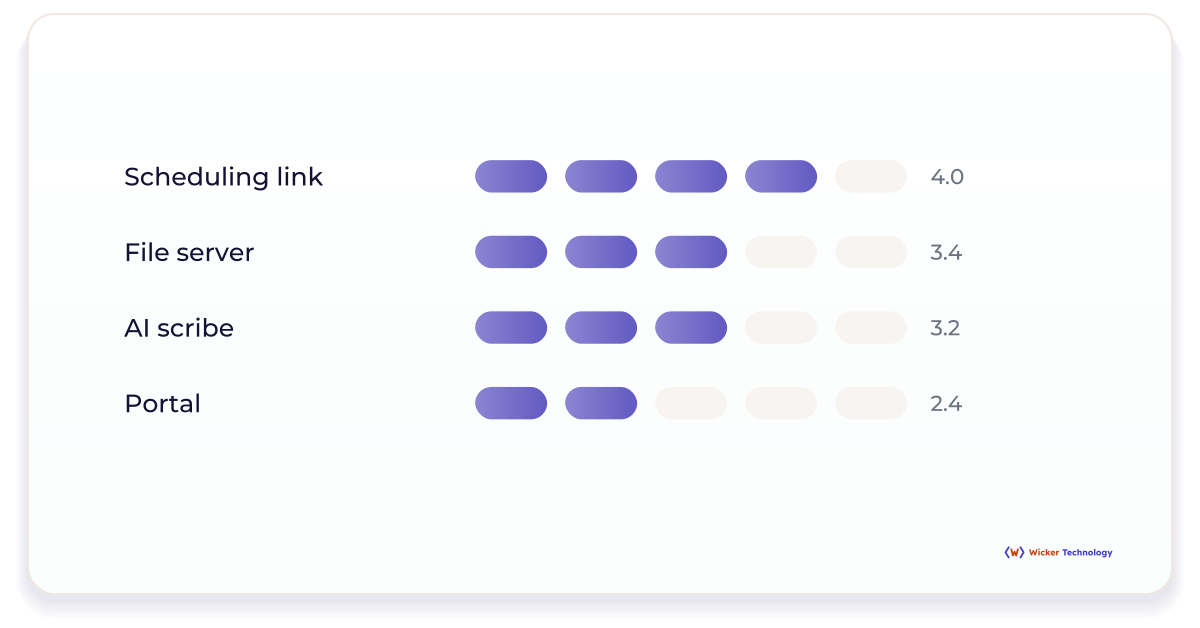
Strategies stall when nobody knows who can say yes. Write down decision rights early, in a table short enough to fit on one page. I use three levels: the executive sponsor approves budget and priorities, a clinical lead approves anything that changes a care workflow, and the system owner decides configuration within agreed limits.
| Decision | Who decides | Who must be consulted |
|---|---|---|
| Annual priorities and budget | Executive sponsor | Clinical, finance and operations leads |
| Change to a care workflow | Clinical lead | Frontline staff who use the workflow |
| Vendor selection and contract | Executive sponsor | Finance, security and clinical lead |
| Configuration inside agreed limits | System owner | Affected department |
Four Strategy Mistakes I See Repeatedly
The first is starting with a vendor. When a demo shapes the plan, the plan becomes a purchase order. The second is skipping clinicians until the contract is signed, which leads to the quiet resistance that kills adoption. The third is planning for a perfect year, with no slack for a delayed go-live or a staff shortage. The fourth is treating security as a separate project, when it should be a line in every initiative.
Do this instead: write the goals first, involve clinicians when priorities are set, schedule go-lives with a month of slack and add a security question to every initiative template. None of this is complicated, and I would argue it is the cheapest risk reduction available to a clinic, and most of it costs nothing. Organizations that follow it tend to need fewer rescue projects later.
A 12-Month View You Can Adapt
| Quarter | Focus | What you should have at the end |
|---|---|---|
| Q1 | Goals, inventory and first quick wins | Goal sheet, system map, two completed savings moves |
| Q2 | Scoring, business case, vendor shortlist | Ranked initiatives, funded first phase |
| Q3 | Selection and first implementation | Signed contracts with exit terms, first go-live |
| Q4 | Second go-live and review | Updated plan, next-year budget request |
Treat the plan as a living document, and keep it short enough that busy leaders actually open it. I ask clients to review the top ten initiatives each quarter and to change at least one score based on what they learned. If nothing changes in a quarter, the review was not honest.
How to Know Your Strategy Is Working
Pick three measures that match your goals, such as claim denial rate, days to the next available appointment and hours spent on manual re-entry. Record a baseline before the first change and track them monthly. When a measure improves and nobody can say why, you have a luck problem, so write down which change you expect to move which number.
Report results in plain terms at the quarterly review: what changed, what it cost, what you learned and what you will do next. A one-page summary that a board member can read in two minutes does more for continued funding than a long deck. When an initiative misses its goal, say so and decide whether to fix, pause or stop it. Stopping a weak project early is a result, and your credibility grows when you report it honestly.
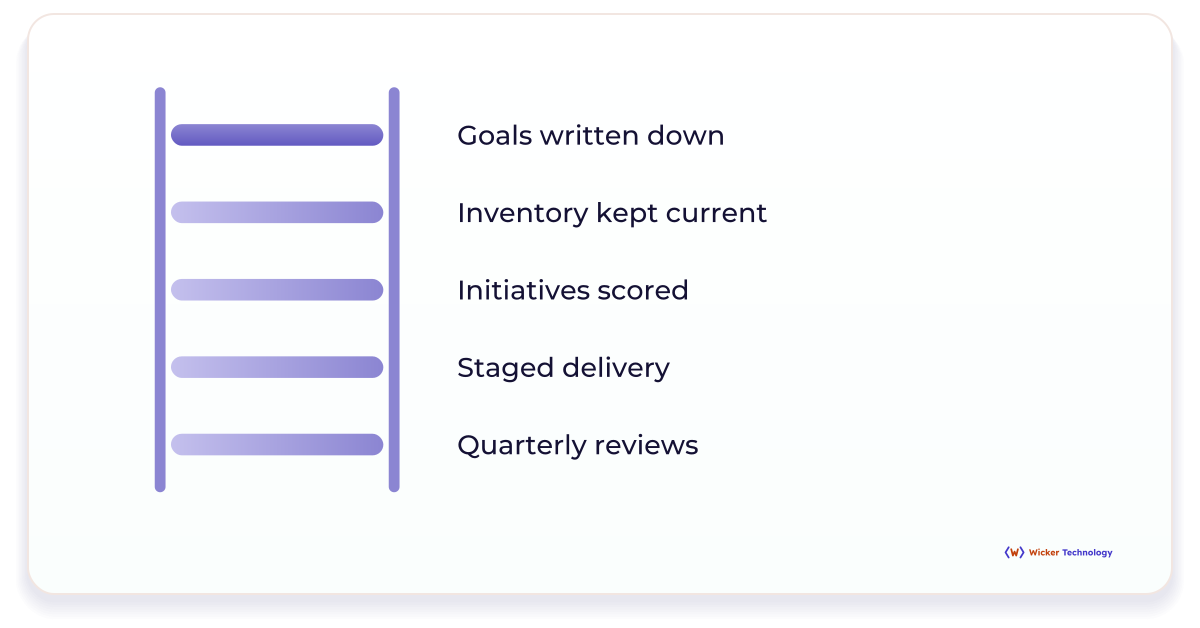
- Every initiative has a named owner and a date.
- Every system has a cost, a renewal date and a reason to exist.
- Clinicians reviewed the top priorities before funding was set.
- Security and vendor risk appear in the monthly review.
If you want help building or testing a plan like this, a healthcare technology consulting partner can run the first two phases with your team in about two months.
Questions About Healthcare Technology Strategy
What Is a Healthcare Technology Strategy?
It is a written plan that links your technology decisions to care quality, patient access, revenue and risk. It lists what you run, what you will change, in what order, at what cost and who owns each move. A good one fits on a few pages and gets reviewed every quarter.
How Long Should a Healthcare Technology Strategy Cover?
Plan in detail for 12 months and in outline for 24 to 36. Healthcare software contracts run long, so the outline matters for renewals, but vendors and regulations change too fast to plan details beyond two years.
Who Owns the Strategy?
A named executive owns it, usually the CIO, COO or practice administrator. Clinical leaders co-own priorities, because technology that clinicians do not trust fails regardless of how well it is delivered.
How Do We Pay for New Technology?
Start with savings: duplicate licenses, unused modules and manual work that a connection can remove. Many organizations fund a first phase from those savings, then use the results to support a larger request.
How Do AI Tools Fit into the Strategy?
Treat AI as another category in your portfolio with an owner, a policy and a review date. ASTP data show 71% of hospitals used predictive AI in 2024, so your plan should say which uses are approved and how they are evaluated.
How Often Should We Update the Plan?
Review progress every quarter and refresh priorities once a year. Update sooner after a merger, a major vendor change or a security incident.
Can a Small Practice Use This Playbook?
Yes. Compress the phases: a half-day goal-setting session, a one-page inventory and a short priority list. The scoring method works the same way with ten systems as with a hundred.
Sources
- ASTP Data Brief 80: Predictive AI in hospitals
- ASTP Data Brief 78: Electronic public health reporting
- HIPAA Journal: Healthcare data breach statistics
Important: nothing in this article is legal, financial or tax advice. All figures are estimates from typical projects, so verify them with your own providers and advisers.
Was this useful?
We appreciate the feedback.
Paige Mulvaney
Paige leads the Wicker editorial team and works with the consultants who run the roadmaps, software selections, implementations and integrations to turn real client projects into practical guides. Her focus is plain-language advice on IT strategy, choosing business software and connecting systems so they work together. Every article she edits is checked against current vendor pricing and documentation before it is published.