In Short
- Pick two or three shifts that match your goals; put the rest on a watch list.
- AI agents work best on narrow tasks with a named reviewer.
- Data quality and security decide how much value you get from new tools.
- Attach one measurable outcome to every initiative you start.
Trend lists are easy to write and hard to use. Most of them describe the technology and skip what you are supposed to do on Monday. This one is shorter on hype and longer on decisions. I base it on what I see in client projects across healthcare, logistics and other industries, and on how it changes planning in strategic technology consulting engagements.
I list ten shifts, each with a practical next move. Treat them as inputs to your plan, not a shopping list. A trend only deserves budget when it supports one of your own business goals.
The Ten Shifts and Your Next Move
| Shift | Your next move |
|---|---|
| 1. AI Agents Move From Demo to Back Office | Pilot one narrow process with a named reviewer. |
| 2. Platform Consolidation Beats Tool Sprawl | Count overlapping tools and set a consolidation target. |
| 3. Data Foundations Decide Who Gets Value From AI | Name one data owner and clean one critical data set. |
| 4. Security Moves Into Every Buying Decision | Add a security score to every software decision. |
| 5. Composable and API-First Systems Get More Practical | Require documented APIs in every new contract. |
| 6. Cloud Cost Control Becomes a Management Task | Review cloud and subscription spend monthly. |
| 7. Low-Code Tools Spread, and Governance Has to Follow | Create a simple registry of team-built apps. |
| 8. Legacy Modernization Gets a Deadline | Score each legacy system for risk and support end dates. |
| 9. Workforce Skills Become the Limiting Factor | Budget training time in every project. |
| 10. Boards Ask for Measurable Technology Value | Attach one measurable outcome to each initiative. |
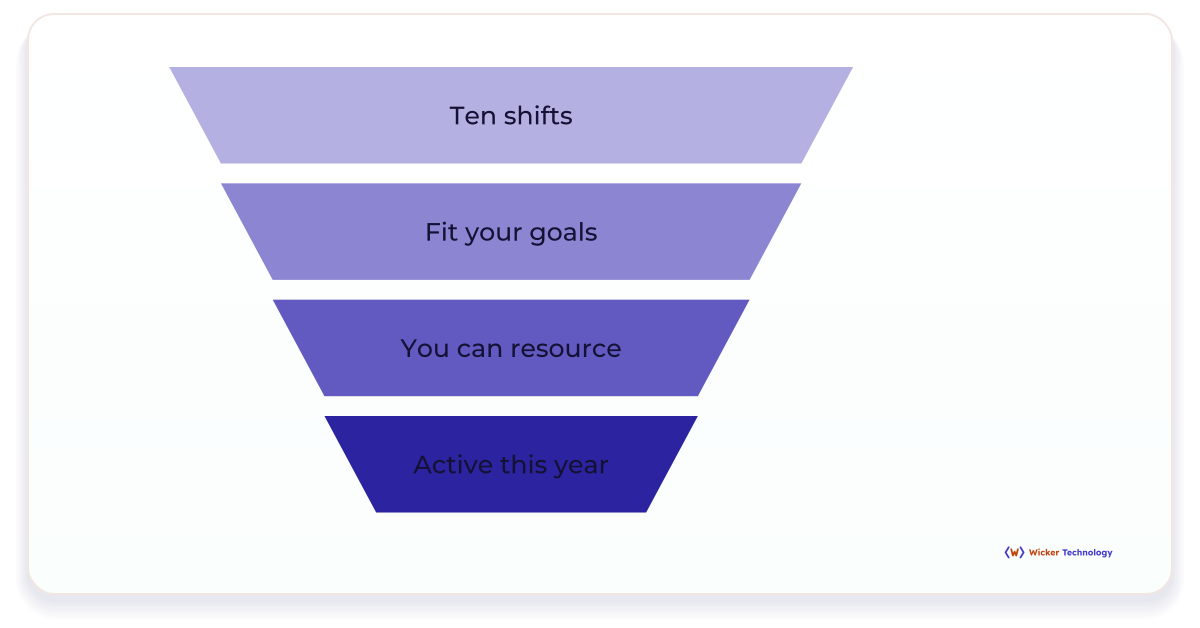
Not all ten belong in your plan this year. Pick two or three that match your goals and your capacity, and write the rest on a watch list.
1. AI Agents Move From Demo to Back Office
The shift I see in client work is small and practical: agents that read a purchase order, check it against a contract and draft the next step, with a person approving. Fully autonomous agents are still rare in mid-sized organizations, and the ones that work have narrow tasks and clear limits.
For your plan, treat agents as a capability you pilot in one process, not a platform you buy. Ask what data the agent needs, who reviews its output and what happens when it is wrong. A strategic technology roadmap should carry one agent pilot at most per year until you have the review habits in place.
Your next move: Pilot one narrow process with a named reviewer.
2. Platform Consolidation Beats Tool Sprawl
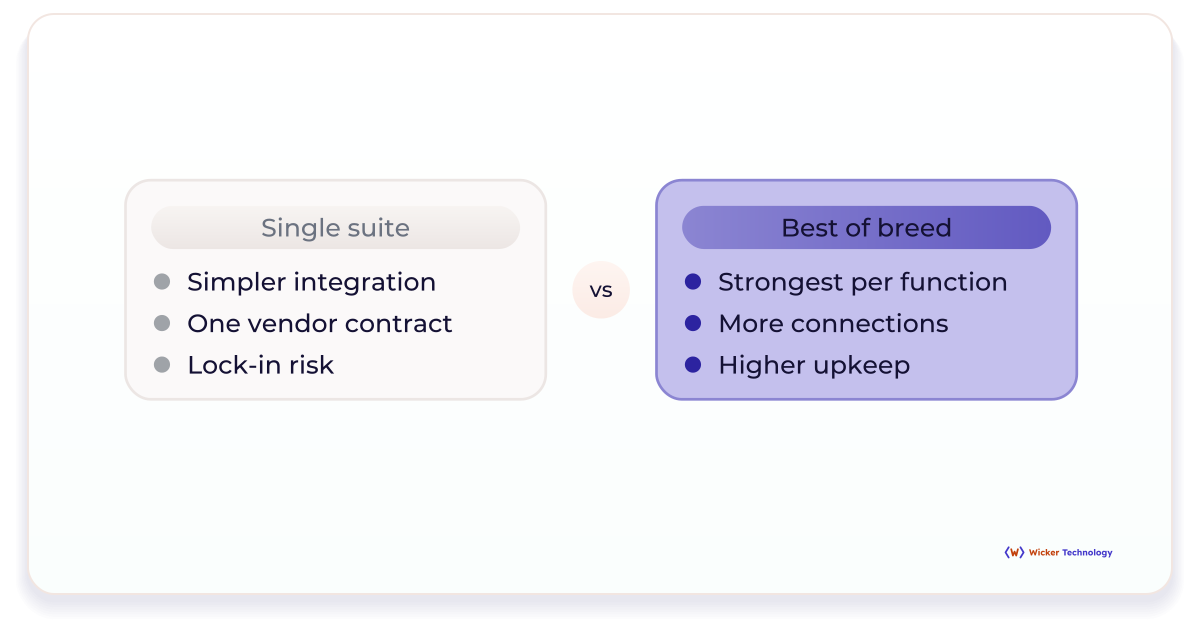
Many organizations now run 100 or more applications, and the renewal bill keeps growing. Vendors push suites that cover several functions, and for many mid-sized firms a suite with 80% of the features wins on cost and support effort.
The trade-off is lock-in. A single vendor gives you simpler integrations and a harder exit. Before you consolidate, check contract length, data export rights and price rise clauses, then decide where best-of-breed still earns its place.
Your next move: Count overlapping tools and set a consolidation target.
3. Data Foundations Decide Who Gets Value From AI
AI tools produce poor answers when customer, product or patient records are duplicated and out of date. I have seen a promising pilot stall for two months because three systems held three versions of the same customer.
Investing in a clean source of truth is less exciting than a new tool, and it pays back in every later project. Start with the one data set your most valuable process depends on, and assign an owner.
Your next move: Name one data owner and clean one critical data set.
4. Security Moves Into Every Buying Decision
Customers now ask about your security practices in procurement, and insurers ask about controls before they quote. That moves security from an IT task to a commercial requirement.
Build a short security review into vendor selection and renewals. Ask where data lives, who can access it and how incidents are reported. Items from this review belong in the same scoring sheet you use for cost and fit. Check current requirements for your industry and region, as rules change.
Your next move: Add a security score to every software decision.
5. Composable and API-First Systems Get More Practical
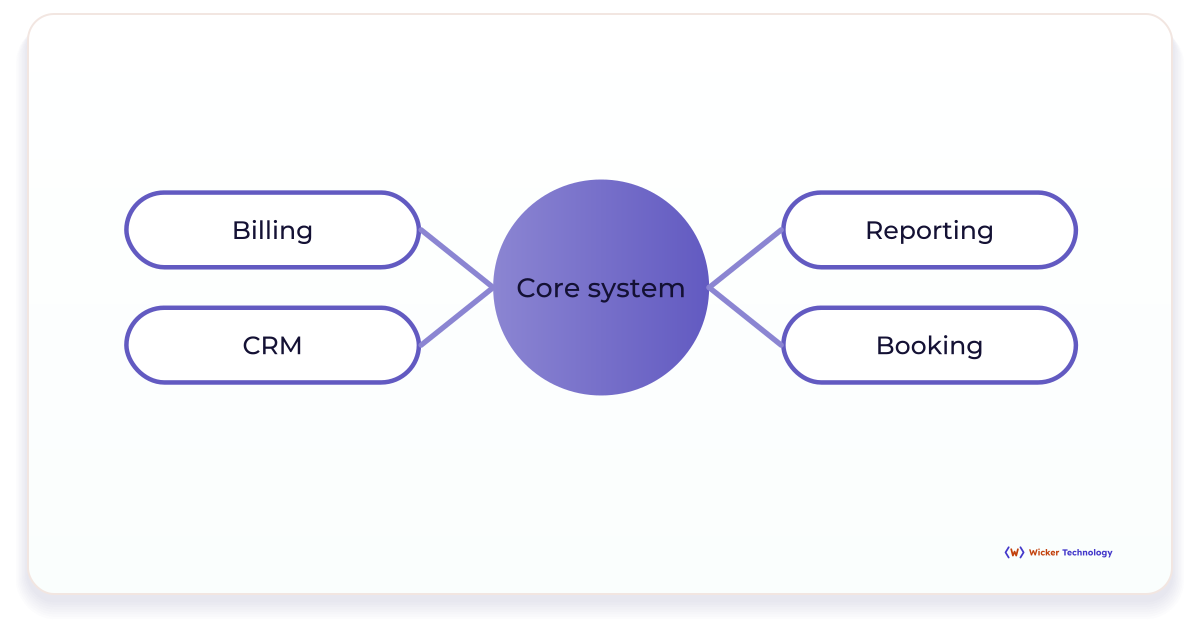
Systems that expose clean connections let you swap parts without rebuilding everything. In logistics and healthcare, where I see many older platforms, API access is now a standard question in selection.
You do not need to rebuild. Ask for documented connections on every new purchase, and put an integration layer around the oldest system first. That reduces the cost of replacing it later.
Your next move: Require documented APIs in every new contract.
6. Cloud Cost Control Becomes a Management Task
After the first migration wave, bills grow quietly. Unused servers, oversized plans and forgotten test environments add up, and finance wants to know why.
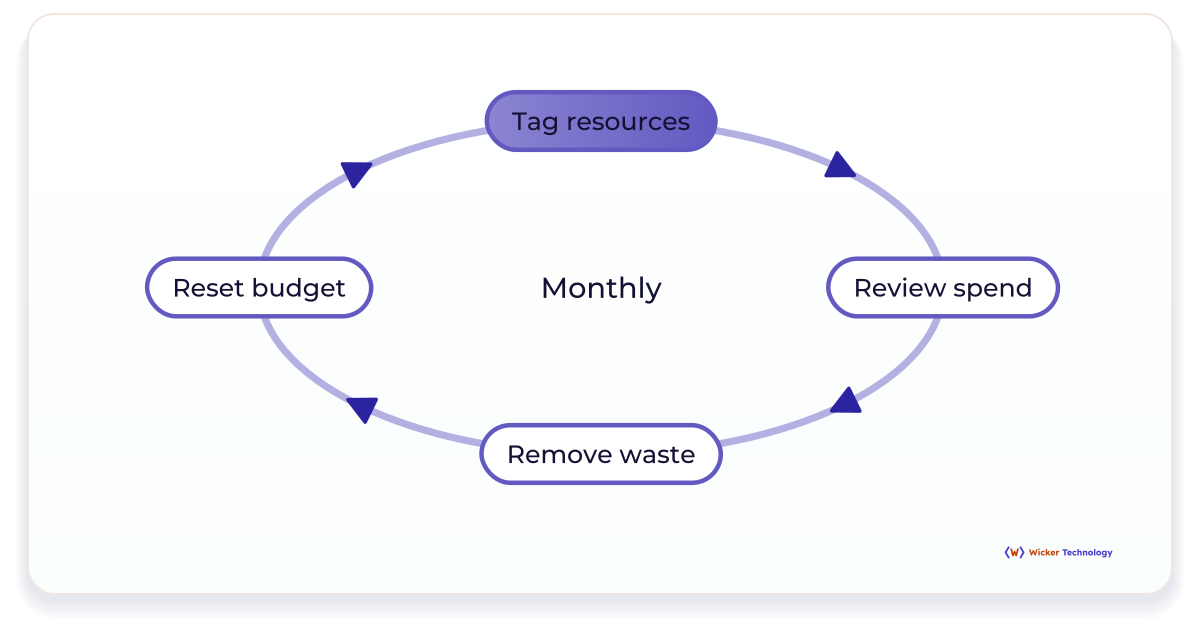
Assign an owner for cloud spend, review it monthly and tag resources by project. Many organizations find savings of 20 to 30% from clean-up alone in my experience, though results depend on how tidy things were to begin with.
Your next move: Review cloud and subscription spend monthly.
7. Low-Code Tools Spread, and Governance Has to Follow
Business teams build their own apps and automations with low-code tools, which solves real backlog problems. It also creates systems that IT has never seen and nobody maintains.
A light registry works better than a ban. Ask teams to list what they built, who owns it and what data it uses, and set a few rules for access and backups.
Your next move: Create a simple registry of team-built apps.
8. Legacy Modernization Gets a Deadline
Old platforms hold critical data and depend on shrinking skills. Vendors end support, staff retire and security fixes stop. The question has moved from whether to replace to when and how.
Rank legacy systems by business criticality and risk, then plan replacement in stages. Running old and new in parallel for a month, as one of my finance clients did, makes the switch calmer.
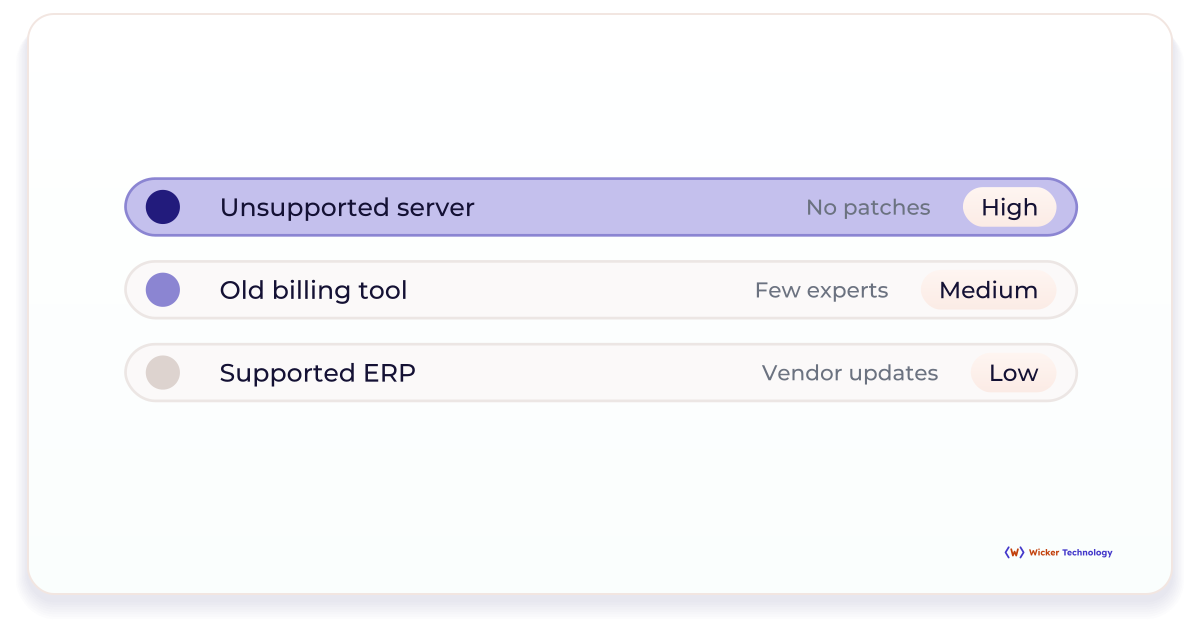
Your next move: Score each legacy system for risk and support end dates.
9. Workforce Skills Become the Limiting Factor
Tools arrive faster than teams can learn them. In many projects I see, the constraint is the number of people who can configure, support and explain a system, not the license budget.
Plan training hours in every project budget and keep at least two people who understand each critical system. Hiring and partner support should appear on the roadmap next to the software.
Your next move: Budget training time in every project.
10. Boards Ask for Measurable Technology Value
Leaders increasingly ask what a technology investment returned, and activity reports no longer satisfy them. They want a cost, an outcome and a date.
Define one exit measure before each project starts, such as invoice cycle time or tickets per month, and report it each quarter. The scoring steps in the strategic technology framework make this habit routine.
Your next move: Attach one measurable outcome to each initiative.
What I Would Not Chase Yet
A few things get a lot of attention and rarely belong in a mid-sized organization's plan. Large custom model builds need data, people and budget that most firms do not have, and a vendor product usually does the job. Fully autonomous agents across several systems carry risk that is hard to explain to an auditor. Big-bang platform replacements promise simplicity and deliver long projects with a high failure rate.
That does not mean you should ignore them. Put them on the watch list, assign someone to check the market each quarter and write down the conditions that would make them worth a pilot, such as a clean data set, a clear process owner and a vendor with references in your industry. Revisit the list when your next roadmap cycle begins.
Building the Trends Into Your Planning Calendar
Put a 60-minute trend review in the calendar each quarter. Bring the watch list, one page per shift and the result of any pilot. For each item ask: has anything changed in our data, people or vendors, and does the original reason to wait still hold? Move an item from watch list to pilot only when the answer is yes, and attach an owner and a budget cap. This keeps the list useful and stops enthusiasm from setting the agenda.
Share the output as one page with the three active shifts, the watch list and one sentence on why each was chosen. Leaders read one page, and they remember what you told them.
Assign each shift on the watch list to one named person. That person spends an hour a quarter reading vendor updates and customer stories, then reports in two sentences. Small, regular attention beats occasional deep dives.
How to Choose Which Shifts to Act On
Use three filters. First, does the shift support a business goal you already have? Second, do you have the people and data to act on it this year? Third, does it reduce a risk you carry today? A trend that passes two of three filters is worth a pilot. One that passes none belongs on the watch list.
- Link every shift you pick to a goal and an owner.
- Keep the number of active shifts to what your team can deliver.
- Set a review date, usually after one quarter.
- Write down what would make you stop.
Trends shift, and so do vendor claims, so check current details before committing budget. The 12-month roadmap shows where to place the items you choose.
Questions About Strategic Technology Trends
What Are the Biggest Strategic Technology Trends for 2026?
In my client work the shifts with the most practical impact are AI agents in back-office processes, platform consolidation, data foundations, security in buying decisions and legacy modernization. Your priorities depend on your industry and your goals.
How Do I Decide Which Trends Matter to My Organization?
Filter each one against three questions: does it support a business goal, do you have the people and data to act, and does it reduce a risk you carry now. Act on those that pass at least two.
Should Small Organizations Follow These Trends?
Selectively. Small teams gain most from consolidation, security basics and clean data, and least from experimental tools. Pick one or two shifts and do them well.
How Often Should I Review Technology Trends?
Review once a quarter as part of your roadmap meeting and once a year in depth before budget planning. Constant tracking tends to produce distraction rather than decisions.
Are AI Agents Ready for Production Use?
For narrow, well-defined tasks with human review, yes. Broad autonomous use is still uncommon in mid-sized organizations. Pilot one process, measure the result and expand only when you trust the review process.
What Is the Cost of Ignoring Legacy Systems?
Rising support costs, security exposure and dependence on a few people. The exact cost depends on the system, so score each one for risk and plan replacement in stages.
How Do I Turn a Trend into a Plan?
Pick the trend, link it to a goal, name an owner, set one exit measure and place it on the roadmap with a cost range. Review after a quarter and decide to continue, adjust or stop.
Important: nothing in this article is legal, financial or tax advice. All figures are estimates from typical projects, so verify them with your own providers and advisers.
Was this useful?
We appreciate the feedback.
Paige Mulvaney
Paige leads the Wicker editorial team and works with the consultants who run the roadmaps, software selections, implementations and integrations to turn real client projects into practical guides. Her focus is plain-language advice on IT strategy, choosing business software and connecting systems so they work together. Every article she edits is checked against current vendor pricing and documentation before it is published.